“No society can surely be flourishing and happy of which by far the greater part of the numbers are poor and miserable. ” – Adam Smith
This blog post previously appeared in The National, for which I received a commission.
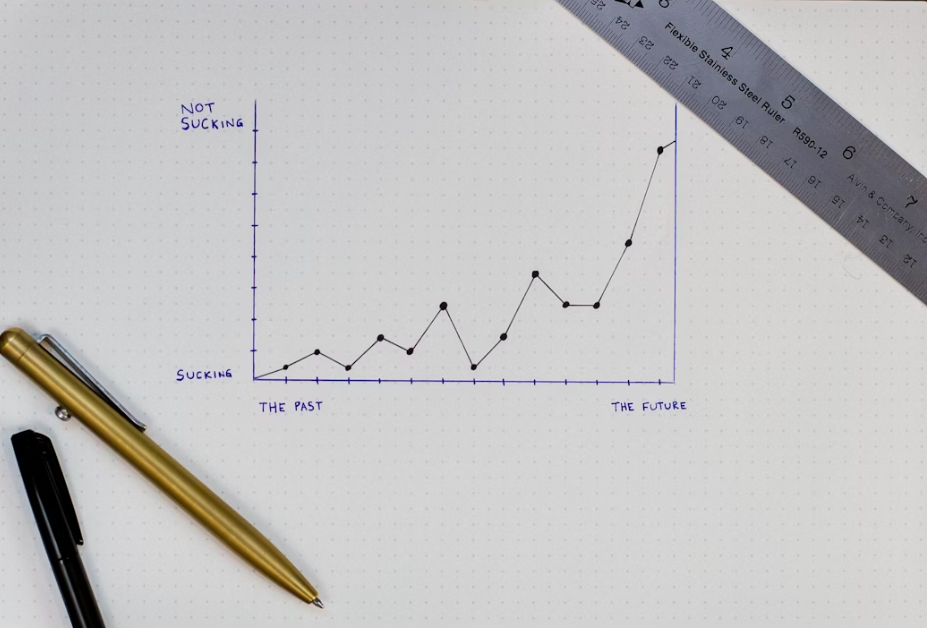
(Image Source: Unsplash)
Ahead of the reopening of the UK Parliament next week, Prime Minister Keir Starmer painted a bleak picture of a broken Britain that he plans to break further so that he can mend it in the service of his “number one priority”, GDP growth and “wealth creation”. He’s going to ask us to accept “short term pain, for long term good”.
If that sounds like a promise you’ve heard before then you are, like me, old enough to remember George Osborne making a very similar promise in 2010 when he kicked off the decade and a half of Conservative Austerity that we’ve endured ever since.
The big difference between then and now, of course, is that more Labour pain is coming on top of that previous Conservative pain so it’s little wonder that many are asking how much more we need to bear.
There were very few actual policies – and fewer new ones – in Starmer’s speech and those that were there are doing a lot more heavy lifting than he’s likely to let on. GB Energy, which he mentioned several times, is going to be miniscule. With only £8 billion worth of funding, it wouldn’t be big enough to renationalise the energy sector enough to make a difference. It might be one of the best public energy schemes the UK has seen since the Scottish Government dropped their plans for a public energy company, but it’s almost being deliberately designed to NOT disrupt the energy market that has been largely responsible for the inflation and cost of living crises of the past few years.
If Starmer wants to actually get to the root of the problem, to actually plan long term for the benefit of the UK and everyone who lives here then he needs to understand that a good chunk of that root is, in fact, his number one priority – chasing after GDP growth and “wealth creation”. GDP has been growing for decades without solving our economic problems so we need to ask if it is the solution, how much more does it need to grow before it starts working?
It’s not the solution because whenever GDP growth has occurred, the benefits of its have almost always gone mostly to the already wealthy. It has also almost always resulted in more damage to the environment. A long-term beneficial economy is one that focuses on sustainability and wellbeing instead and regardless of growth. Britain needs fewer prisoners, not more prisons. Fewer shops and more libraries (a policy that would improve wellbeing while actively shrinking GDP). And we need fewer of us working to barely meet our needs while we enrich others, and more from the already rich using their ability to do more to make it all happen. A smarter man than myself said something similar once. I don’t think he’d be too welcome in Starmer’s Labour party these days. That, too, is probably part of the problem.
 The Common Green