“All I wish to make clear is that, without any increase in population, the progress of invention constantly tends to give a larger proportion of the produce to the owners of land, and a smaller and smaller proportion to labor and capital.” – Henry George
This blog post previously appeared in The National as part of Common Weal’s In Common newsletter.
If you’d like to throw me a wee tip to support this blog, you can here.
Last week, I had the pleasure to address SNP members at the Revive Coalition’s fringe meeting on land reform where I presented Common Weal’s proposal to bring a land tax to Scotland. As the meeting wasn’t filmed, I want to discuss the issue here for the benefit of members (and non-members) who couldn’t be there. I am also delighted that after our fringe, members gave overwhelming support to two motions that would enable such a tax. Taxing land in Scotland is now solidly SNP policy and the Scottish Government should bring forward a Bill to enable it at the earliest opportunity. With the Scottish Government pledging to bring in fresh cuts of in excess of £500 million, to ignore a tool that would almost entirely avoid the need for them is simply unacceptable.
To talk about land tax properly, first we need to talk about the Council Tax. This tax is deeply unfair, deeply regressive and was brought in as a minimum possible “improvement” to put a halt to the Poll Tax protests. But I really don’t need to tell you how absurd the tax is. The argument that Council Tax is a bad tax was won thirty years ago. The argument in favour of reforming it was won twenty years ago. The fact that it hasn’t changed yet isn’t because you aren’t convinced but because of a failure of politics.
Common Weal’s proposal to fix Council Tax is to replace it with a Property Tax based on a percentage of the present value of the house – just as Denmark currently does. That value would be updated whenever the property is sold or whenever it is significantly modified as well as during a regular national revaluation (Denmark is going through theirs this year). In 2021 when we published our proposal, we calculated that a national rate of 0.63% would be “revenue neutral” compared to the Council Tax. We advocate that the tax shouldn’t be national, but locally controlled (it’s easier to implement and we’ve seen far too many examples of the Scottish Government bullying Local Authorities over their devolved powers in a way that the Scottish Government would be raising hell about if Westminster did it to them), but taking that 0.63% rate as an illustration that would mean that a modest £70,000, Band A house would see its Council Tax drop by half, properly banded houses worth less than about £400,000 get a tax cut and only the few most expensive houses in the country would see their taxes go up. The owner of a £6 million castle would pay around ten times as much as they currently do or, in other words, if you live in a property worth less than £400,000, you are currently subsidising that Laird’s lifestyle.
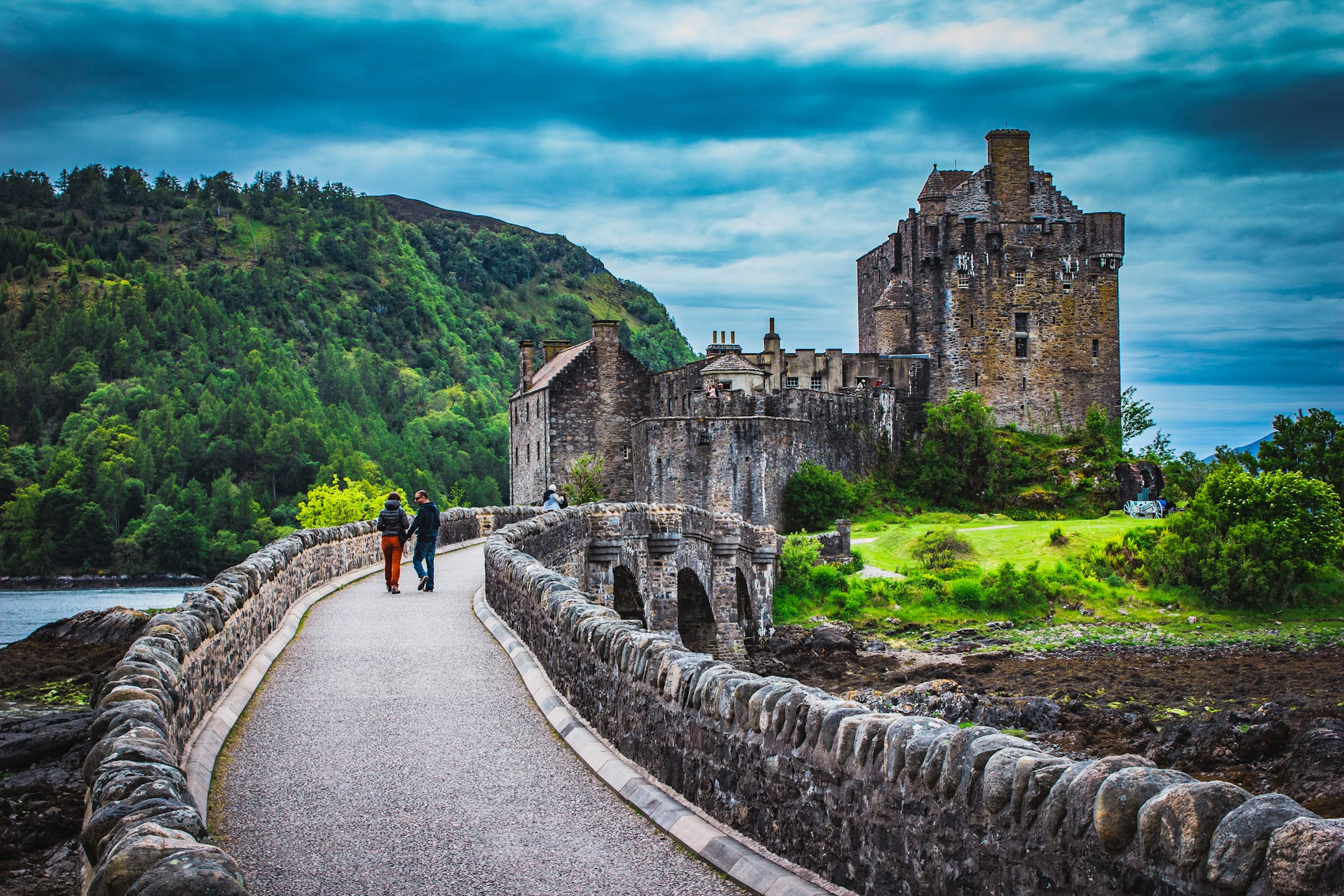
Now that we’ve fixed Council Tax, we can realise that that tax already covers the land under your house as well as your garden, but doesn’t extend to the broader estate around that castle – so let’s do that too. Common Weal’s Property Tax would apply to ALL land and fixed domestic properties. As a wealth tax, it’s perfect for Scotland. There can be no threat of the wealthy leaving because even if they do they can’t take the land with them (and much of Scotland is already owned by absentee Lairds or hedge fund portfolios; they can’t leave because they were never here, but at least they can’t vote against the Bill either).
We estimate that using our notional 0.63% rate (and remembering that it should be a local, not a national, tax), Scotland could bring in around £450 million extra in tax on top of the Council Tax reforms. That’s enough to close the budget deficits facing Local Authorities. We wouldn’t be talking about anything like the cuts announced in this week’s Programme for Government.
I understand the fear that a land tax would hit already struggling smallholding farmers but I believe it is being used as a shield by the sporting estates and industrial monoculture megafarms to protect themselves, not the crofters. We should, of course, have a system of discounts and exemptions (maybe a zero or reduced rate for your first acre or five, special status for crofters or single occupants, discounts for particular land uses etc) but we also have to realise that despite the fact that 433 people own half of Scotland, the majority of individual land holdings in Scotland are less than twenty-five acres and the majority of that group own less than ten acres each. A smallholder who owns ten acres of grade six grazing land would likely owe less than £200 a year in land taxes (before discounts). Contrast that with the highly profiled Tayvallich Estate in Argyle which would owe something closer to £66,000 in land taxes.
There are no more excuses. It’s time for the 433 people who own half of Scotland to start paying their share and for the Scottish Government to do something other than pass on yet another round of Austerity on the rest of us.
Discover more from The Common Green
Subscribe to get the latest posts sent to your email.
 The Common Green