“You’re mugging old ladies every bit as much if you pinch their pension fund” – Ben Elton
This blog post previously appeared in Common Weal’s weekly magazine. Sign up to our Daily Briefing and Weekly Magazine newsletters here.
If you’d like to support my work for Common Weal or support me and this blog directly, see my donation page here.

Andy Burnham has injected a case for optimism into the UK political sphere and has genuinely proposed some interesting ideas for the future. More crucially, as I point out in In Common in The National this week, his approach to making policy – by taking a step back and doing the detail work before trying to launch the idea – is the complete opposite of the Scottish Government’s approach of announcing an empty “Framework” then trying to backfill the detail on the fly. The Scottish Government could learn a lot from his approach to building a National Care Service just as Burnham should learn the lessons on why the Scottish attempt failed.
This attitude doesn’t necessarily extend too all aspects of the plans announced at the Labour conference this week and I think the one that is likely to have the longest term impact is the dropping of the state pension triple lock.
The triple lock is the mechanism by which the UK state pension was automatically uprated each year by the highest of the previous year’s rate of inflation, average rate of wage increases, or 2.5%.
It was brought in in 2010 by the Conservative/Lib Dem Coalition Government and it did have noble reasons behind it. It has often and for many years been pointed out that the UK’s rate of state pension income is amongst the lowest in the developed world. Pensioner poverty for those reliant only on the state pension was becoming a major political scandal and it was urgent that the state pension be increased.
The doesn’t tell the whole picture because it doesn’t include private pensions and other income but we’ll come back to that. It’s also important to note that the increase in the state pension came around the same time as rapid rises to state pension age and increasing protests from groups like the WASPI women and so an increase to the rate of pension was somewhat of a sweetener to offset the fact that people would have to work longer before receiving their pension.
And finally, it cannot be ignored that there was a very deliberate political element to this. The reason why the Conservatives were for increasing social security for older people and were and still are against increasing it for younger people comes right down to the voting patterns of those two groups. Political parties of all colours play to their respective bases when they can or must.
With that preamble being necessary to start to grapple with this very complex issue, we can now look at Burnham’s reform. To replace the triple lock with a double lock of only uprating pensions by the highest of inflation or 2.5%, without automatic reference to wages.
This means that if wages are consistently higher than inflation and if inflation remains above 2.5% (despite the Bank of England’s target to keep it around that level) then pensioners will not get any poorer with relation to prices but they also won’t get any richer in relation to workers.
There are a lot of “ifs” in that aspiration. For a start, I believe that the fear that pensioners were getting drastically wealthier as a result of the triple-lock is based on a faulty reasoning. This did happen in the past few years because of the very particular circumstances of the Covid pandemic. When we went into lockdown, wages dropped quite drastically for a lot of people while supply chains took a massive hit. This meant that in the lockdown year, even though inflation outstripped wage growth (wage decline at its worst) both were below the 2.5% triple lock floor and pensioners became relatively wealthier compared to both prices and workers.
“It’s a bit like your landlord saying that instead of them increasing your rent by £200 next year, they’ll only increase it by £100 so now you have £100 to spend on dinner tomorrow night.”
After lockdown, shifts in the economy caused a massive spike in wage growth not (mainly) because people wanted paid more to come back to work but because “returning to normal” suddenly was a big proportional spike up compared to the layoffs and furlough funding of the previous year. Pensioners benefited from wage growth going to 7% and rapidly outstripping prices. Then, in 2022, the invasion of Ukraine plus other geopolitical factors (and outright corporate profiteering) have seen inflation blow past the steady post-Covid wage increases and have again seen pensioners do well out of the whole process.
All this is to say that the last few years broke the triple lock model in a way that wasn’t envisaged when it was created (you can read more about this in our 2021 book All of Our Futures). I’m not convinced that moving from a triple lock to the double lock is a solution to the problem nor am I convinced that the problem they are trying to solve is one that is likely to happen again as it did in 2020.
Burnham is essentially gambling that wage increases will stay both higher than inflation and higher than 2.5% per year. This is the only way that the state pension will increase slower than it would under the triple lock but that scenario has also been a rarity in the years since the 2008 Financial Crisis. He also undermines this objective by stating that pensions won’t lose value in relation to wages in the long term. This makes sense if the objective is indeed to avoid model-breaking short term shocks, but it doesn’t make sense if the long term goal is to have pensions grow at a slower rate than wages.
His claim that he can use the “saved” money to fund a National Care Service is obviously a political sweetener itself – people are often happier with a bit of policy pain if they think something good will come from it – but I don’t see how that can add up either.
It’s trying to predict both inflation and wage growth decades into the future. This is perfectly valid as a modelling exercise and to do things like try to work out the potential impact on pensioner income and to the Barnett Formula as funding shifts from a reserved policy to a devolved one (or vice versa), but it’s harder to say for sure that you can “use” money that isn’t even a real saving but merely a slower-than-otherwise increase in future costs. It’s a bit like your landlord saying that instead of them increasing your rent by £200 next year, they’ll only increase it by £100 so now you have £100 to spend on dinner tomorrow night.
The triple lock served a purpose of reducing pensioner poverty but I’m also not convinced that either it or the double lock are fit for that purpose without making changes to the other side of pensions – the private sector.
When I said that the UK’s state pension is among the lowest in the developed world and that this doesn’t tell the full story, it’s because a large amount of total retirement income in the UK is derived from private pensions and from the “housing ladder” (wealth built up in housing that can be released by “downsizing” upon retirement). In All of Our Futures, we found that the UK’s total pensioner income was closer to the average of developed countries (so, still not great) but that around half of it comes from private pensions or housing wealth.
There is a very good argument to be made that the Thatcher era that created the marketisation of housing as a capital growth asset and which unleashed the previously restrained pension financial sector and turned them into GDP-boosting risk-machines allowed the UK to deliberately keep its state pension low for only the cost of turning housing and the financial sector into economic bombs that have gone off repeatedly and are likely to do so again.
So continuing the job of reducing pensioner poverty while maintaining fairness across generations and between pensioners and workers is not going to be possible without reining in the financial sector and private pensions while also decapitalising housing.
There are solutions. We should re-socialise the housing sector by aggressively replacing private rented housing with social housing (which will reduce the problem of pensioner poverty for those who retire without owning a house to downsize from, while reducing the wealth inequality caused by landlords who bought their houses when they were cheap). We should better regulate and seek to replaced the private pension sector with a public-owned workplace pension scheme (see Jim Osborne’s work on this which is closely in accord with but much more developed than the work we could do in our book).
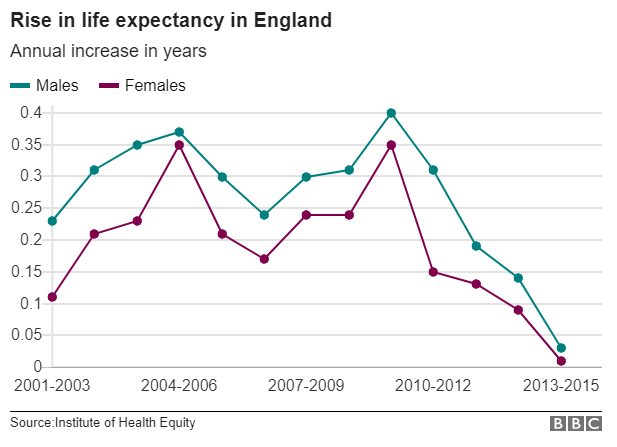
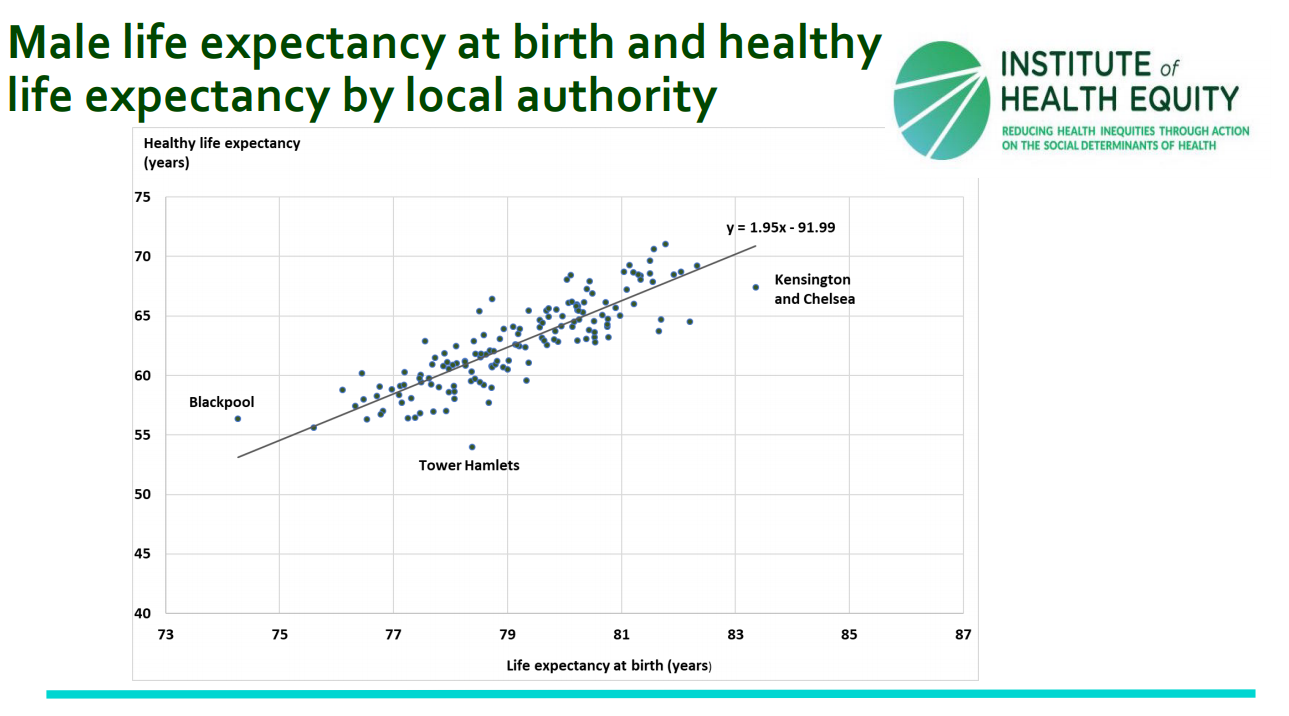
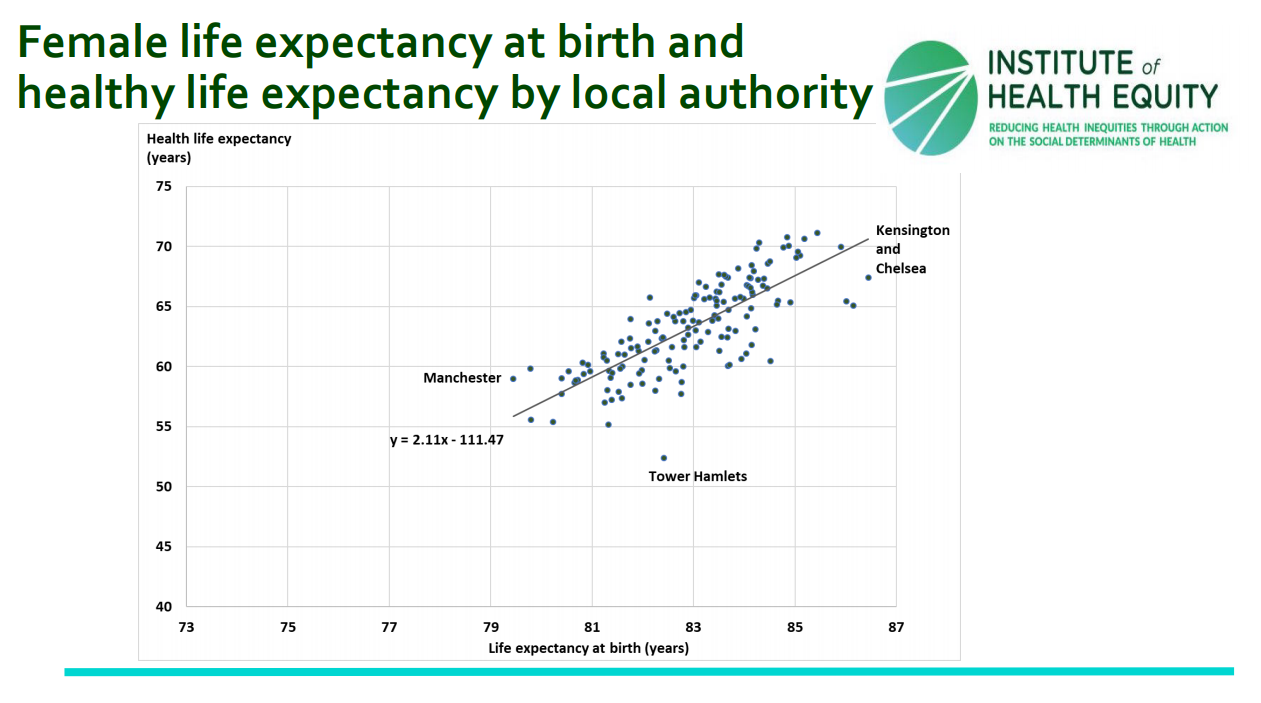
And we should replace the state pension with a Universal Basic Income at not less than the same rate as this would help to deal with issues such as regions of the UK where high deprivation means people working during ill health or dying before state pension age (creating a tax transfer from poor areas to richer areas with higher life expectancy). A UBI would also help end the discrimination of “retirement age” where people who are able and do want to work past an arbitrary timeline are more than welcome to do so.
The most vital thing is that any attempt at social security reform – be it pensions or anything else – must not be used to divide society either young against old or workers against retired people. All this does is distract from more serious divisions such as the reasons why the super-wealthy have left us all poorer or how tech oligarchs are literally stealing the future of this planet out from under us.
I have a great deal of hope right now thanks to Burnham’s new optimism. I hope it rubs off elsewhere too and we start to see more exciting and better thought through policies from all governments. Early signs are good, though we must make sure that areas like pensions are treated with the respect due to the sheer complexity of the task of making sure that wherever we live, within the UK, within an independent Scotland or anywhere else, we build a country that all of us can be proud to grow older in.