“Collaboration has no hierarchy. The Sun collaborates with soil to bring flowers on the earth.” – Amit Ray
(This blog post previously appeared in Common Weal’s weekly newsletter. Sign up for the newsletter here.)
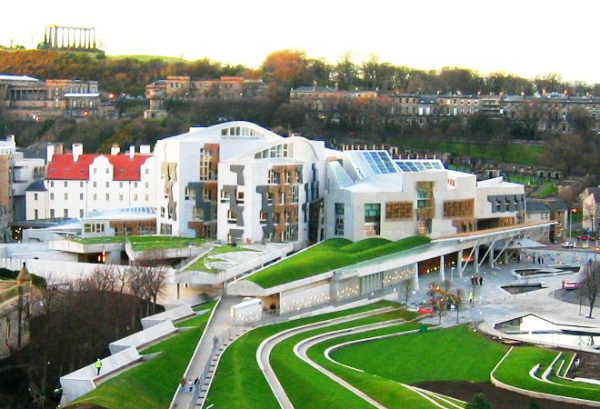
This week saw the annual launch of the Scottish Government’s Programme for Government – its stated aims for the next year in Parliament. Usually at this time I’d be taking you through a deep dive of the various policy announcements and what they might mean for Scotland. The truth is though there isn’t really all that much there to dive into. Most of the major programmes mentioned in it (such as the National Care Service or the Circular Economy) have already been announced and are underway and many of the truly new announcements simply aren’t all that exciting. Even I, policy-geek amongst policy-geeks, can’t bring myself to get too excited about the devolution of the Aggregates Levy – the tax paid on taking stones and soil to landfill. It was one of the taxes devolved to Scotland in the wake of Indyref, the Smith Commission and the eventual Scotland Act 2016. The others were Income Tax (significant, but already straining at the seams of what is possible under devolution), Air Passenger Duty (the devolution of which was scrapped because of a potential legal fight with the EU), the assignment of VAT revenues (the devolution of which was scrapped because no-one could work out how to actually do it) and now Aggregates Levy (which will finally be devolved seven years and two Holyrood Elections after the mandate to do so). According to GERS, it’s currently worth around £58 million per year which is almost 1/16 of the estimated margin of error in the calculation of Scotland’s overall tax revenue.
The only other really noteworthy item is that the Scottish Government has finally acceded to the campaign to bring in the kind of tourist tax that almost all of us will be familiar with if we’ve travelled anywhere in Europe. Back in August, I spoke to the National about this kind of tax and mentioned the possibility of using it to fund or subsidise public transport and that perhaps tourists could be granted a free travel pass when they arrive in return.
But let’s talk about the most important policy announcement in this year’s PfG – so important that someone decided to leak it to the press ahead of time. The Scottish Government has decided to bring in an emergency rent freeze – backdated to the day of the PfG, though the legislation still needs to pass through Parliament. At the time of writing, we don’t yet know many of the details of the freeze itself including whether or not the Government will subsidise landlords for implementing the freeze. The news report announcing the leak mentioned a source who said that if the cost of the freeze was met by landlords then it would cost the Government nothing – this certainly suggests that if the landlords don’t cover the freeze then the Government may look at giving them partial or full compensation in the way that Liz Truss may be about to do to energy companies. It’s difficult to say how much this could cost as the freeze may only be for a limited duration (say, till March 2023) and many landlords – particularly in the public sector – only raise rates anyway once per Financial Year in April and some private landlords either do the same or weren’t planning to raise rates anyway (will they claim otherwise now if they can expect “free” money from the Government for doing so?).
 (Image Source:

 The Common Green