The Scottish Budget 2017

“70% of taxpayers get a tax cut as a result of yesterday’s budget” – Nicola Sturgeon

“One million Scots to pay more income tax than rest of UK” – The Scotsman

Yesterday saw the unveiling of the first draft of the Scottish budget for 2018-19. You can read the proposals by clicking here or on the graphic below.
Budget image

My own brief comments have already been published via Common Weal and in The National but I wanted to expand on a few of the points here too.

Income Tax

Of course, this is the big headline grabbing policy change. Last year was the first year that Scotland had the power to adjust rates and bands of income tax and it used those powers then to not uplift the Higher Rate by inflation as was done in the rest of the UK. Cue howls of outrage from the Tories that for folk earning more than £44,000 per year, Scotland was now the “highest taxed part of the UK”.

This year, the Scottish government spend a good deal of time consulting with the other parties about their proposals for what to do next with income tax as well as offering several options of their own.
tax plans.png

In the end, the government has written their budget around a plan which doesn’t quite look like any of the proposals brought up before. From next year, Scotland’s income tax bands will change from this

Income up to Tax Rate
£11,500 0%
£43,000 20%
£150,000 40%
>£150,000 45%

to this

Income up to Tax Rate
£11,850 0%
£13,850 19%
£24,000 20%
£44,273 21%
£150,000 41%
>£150,000 46%

Two new bands have been added – one “Starter Rate” on income between £11,850 and £13,850 which offers a 1% tax cut and one on income between £24,000 and £44,273 which offers a 1% tax rise compared to last year – and the Higher and Additional rates have been increased by 1%.

Folk online have been arguing about who will be better or worse off under this plan. The truth is, it depends on what you’re comparing to. You could compare to the Scottish tax rates last year. You could uplift the bands by inflation and leave the rates as they were last year or you could compare to the 2018-19 UK rates.
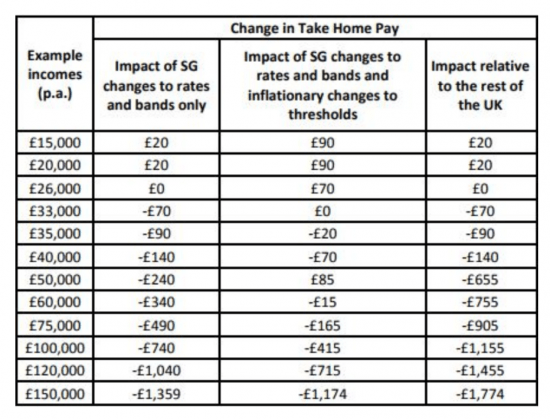
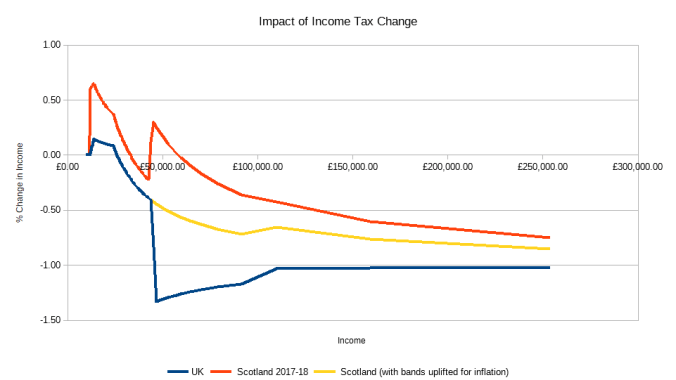
Chart

Impact Percent

At my most cynical, I can see immediately that the comparison to the rest of the UK gives the Scottish Government a soundbite with which to counter the Tories. For folk earning less than £26,000 per year, Scotland now has the lowest income tax rate in the UK.

These changes are quite small though. Only about 1% up or down across the income scale.  The overall changes are projected to bring in only about an extra £160 million per year and greater increases in the upper rates were ruled out for fears that those on higher incomes would leave Scotland or otherwise evade or avoid the tax increase. This idea is, of course, subject to a great deal of dispute by the various parties.

There is substantial evidence that tax does not cause a great deal of migration across borders. The rich are people with friends, families and connections to the place they live just as much as everyone else.

On the other hand, the frankly Byzantine tax code in the UK does make it easy to move money around so the experience of other states and countries may not reflect onto Scotland and the data about upper income tax flight in the UK is very limited (see from 50min in the video above and from 56min for information about Scotland). The bold might say that there’s only one way to find out…

Far more important than the actual revenue impact of the income tax changes is the willingness to change itself. Scotland now has a more progressive tax system than the rest of the UK and has now set a precedent for adjusting tax to suit the needs of Scotland rather than to just constantly look over the shoulder at what the UK is doing. It will be interesting to see how this idea beds in and develops in coming years.

It remains a shame that Scotland still can’t have a comprehensive discussion about taxation and we’re reduced to either lumping everything on income tax or tinkering around with the more minor devolved taxes. I’ve spoken at length about the Air Departure Tax but even I can’t work up much excitement about the prospect of radical change to the Aggregate Levy.

Public Sector Pay

There was a pleasant addition to the budget here. After years of pay being capped at 1%, public sector workers will be getting a pay increase of 3% if they earn less than £30,000 per year, 2% if they earn less than £80,000 per year and a flat increase of £1,600 if they earn more than that.

Of course, their taxes are likely to be changing too but only if said worker is earning in the region of £170,000 or more would the increase to their taxes exceed their pay rise (and I’m reasonably certain that there won’t be too many in that position).

This is welcome news although it should be tempered by the fact that inflation is now running at 3.1% and rising. This pay increase still represents a wage squeeze for public sector workers and doesn’t even begin to start undoing the damage caused by the years of the cap. This increase certainly isn’t news to be condemned but it’s still not much more than a short term salve.

Housing

The housing policies in the budget don’t seem to be making too many waves. There’s extra money for housing but a good deal of it seems to be aimed at the private market which has already been the recipient of substantial subsidy.

The proposal to cut the Land and Buildings Transaction Tax for first-time buyers is a major error of judgment. Unlike the divergence with the rest of the UK on income tax, this proposal is a mirroring of the UK policy. Under this cut, 80% of first-time buyers will no longer pay LBTT on properties priced below the threshold. At least they recognised the lower house prices in Scotland and set the threshold at £175,000 instead of the UK’s threshold of £300,000.

But the logic of the tax relief is similarly misplaced though. If you can afford a house at £175,000 without the tax relief, you can afford the house with it. But if you can’t afford the house at £175,000 then it’s very unlikely that a £600 discount is going to make any difference.

This means that there is absolutely no barrier at all to the seller increasing the price of the house by £600 and swallowing up the tax. This cut will merely cause £5 – £7 million per year worth of tax revenue to transfer to those who are selling property.

Regional Council Funding

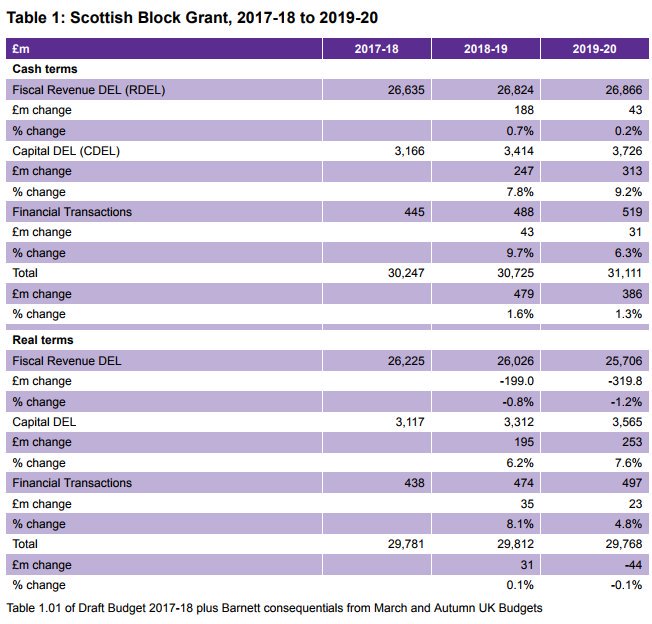
When the UK budget came out last month and we were told by Westminster that the Scottish government was gaining money in the capital budget but losing it in the revenue budget but if the Scottish Government wanted to make up the different by raising taxes then it was absolutely free to either do so otherwise it could take responsibility for passing on the cuts.
Block Grant change 2017

Well, this same rhetoric appears to have been repeated from the Scottish Government with regard to our regional councils. Their revenue budgets will be frozen in cash terms but with inflation running at 3% this means quite a substantial real terms cut. In addition, the public sector pay increase will likely have to come out of that regional authority resource budget which will further increase pressure on councils. The have the “freedom” to increase council tax to make up the shortfall but it remains to be seen how many choose to do so, especially now with every council in Scotland governed by coalitions of various stripes.

This is the area where I expect most of the fighting to occur during the negotiations before the budget is actually voted on in Parliament next year. The SNP can’t pass it on their own. They’re going to need another party to either vote for it or at the very least abstain to get it through.

The Greens were fairly enthusiastic about the approach to income tax but have set this funding freeze as a red line against their support for the budget as a whole. I don’t believe the Lib Dems are any happier with it and with the Tories certain to oppose and Labour not much less so, there’s going to be a bit of trading required to gain enough support to pass the final bill. I wouldn’t be surprised if Derek Mackay has another rummage down the back of the sofa for some extra cash as he did last year.

One more radical solution would be to recognise that wealth inequality is far higher in Scotland than income inequality and that maybe it is time to explore news forms of local taxation like local land taxes or other taxes on wealth.

Scottish National Investment Bank

Now here is a real good news story. The SNIB is on its way! The first two year tranche of funding, totaling £340 million, has been included in this budget as has the planning and infrastructure to continue that funding beyond the first two years. The Common Weal plan called for the bank to be capitalised to a total of £2 billion over several years so this is a very good first step. If we were a fully sovereign nation with full control over monetary policy it would, of course, be trivial to fully capitalise this bank but we’re not and Scotland only has limited capital spending powers so we need to build up the funds over several years. This is fine though, the bank still needs to be set up and ramped into operation anyway.

The bank is still in the very early planning stages but discussions with the government about its design and the need for it to look out for the common good have been received very positively.

In the long term, this bank will be a major factor in supporting local economies and helping Scotland’s overall economy remain flexible and adaptable in a rapidly changing world. This, if we stick at it and do it right, could be the most transformational policy of the decade.

Conclusion

In terms of political maneuvering, this budget sent out many of the right signals. Increased progressiveness on taxes, more money for public sector workers, the start of better economic investment. They are all good moves and show a willingness for Scotland to not just be different from the rest of the UK but for Scotland to be Scotland without having to compare itself to the UK in the same way that the UK doesn’t constant compare itself to Ireland or France when setting budgets.

But, and it is a big but, many of changes aren’t themselves going to do all that much. A <1% change in take home pay isn’t going to save the day or break the bank for many folk.

As a stepping stone though? As a definite signal that Scotland is willing to be better? I’ll take that. Let’s try to build on it next year and beyond.

TCG Logo 7

Banking For Scotland

“We need a banking system that is built on trust from customers which comes from banks which care about their customers.” – Common Weal Key Ideas

Cover.jpg.gallery

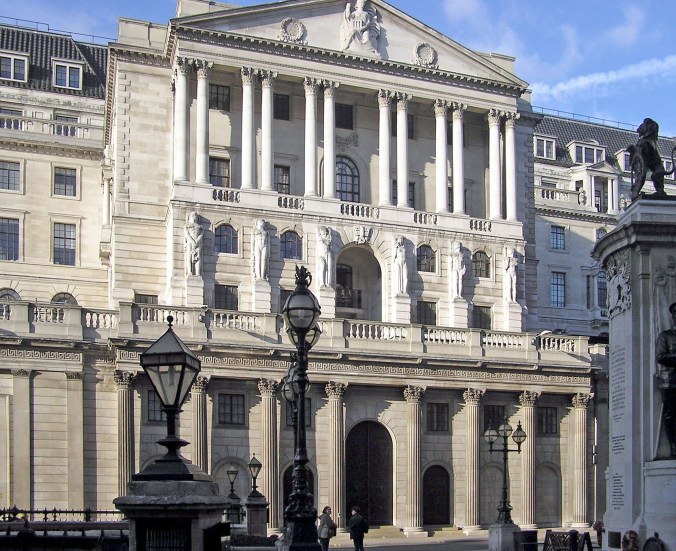
Image: The National. Of course, Central Banks are a bit different from the topic of this article.

The news the closure of 1 in 4 RBS branches across Scotland is coupled with the now grimly ironic relaunch of their “Royal Bank for Scotland” advert. Once again, this bank, like others before it, is withdrawing its physical presence from many areas of the country and, as before, it cites the rise of online banking as the principal reason.

1 in 4 branches might not sound too bad to some. It might sound largely bearable. But this figure doesn’t account for regional disparities. For example, of the ten RBS branches within 25km of where I live, eight of them are now scheduled to close.

There will be places, particularly in rural Scotland, where the loss of their branch will result in the total loss of all physical banks in their community.

It is true that many people now do their day-to-day banking online but for those who don’t, this may be devastating news.

Perhaps more importantly than personal banking will be the loss of business banking services. Many small businesses require access to banks on a daily basis, particularly if they handle cash. This move, compounded with others like it past and future, may cause significant harm to the Scottish SME ecology.

Once again, the losses incurred during RBS’s casino banking glut have infected the real economy and, once again, we cannot hope to see the kind of bail-out that they were given.

Which brings up a point. RBS is more than 70% owned by the UK Government. What part have they played in these closures? Probably very little. As far as I can see, the strategy of the UK Government towards the nationalised banks has been to do absolutely nothing with them – to just let them keep doing what they would have done had they never been nationalised – and then to sell them off again.

A sensible and forward thinking government would have taken a far more proactive role in actually using its majority stake in the company. I’m not saying it would have been easy given the underlying structural issues within RBS – this is a bank which used to deliberately bankrupt small companies so that it could make a profit on seized assets – but if the UK Government had had the will to do so, it could have transformed the company into a network of local and regional banks which just solely focused on the business of providing deposits, credit and cash handling services. It could have dispensed entirely with the arcane financial shenanigans which have nearly crippled the country’s economy and could have become a very stable, very successful (if not quite so overtly profitable), “boring bank“.

Many folk will still remember how banking used to be. How you knew your bank manager and they knew better than almost anyone save yourself your business and your financial circumstances. They knew when a loan would be good for you or when it would be a burden. These things cannot be replicated via an automated helpline on a website or by an ever more complex next of “financial products” which are often more about extracting profits from you rather than supporting your business. The idea that you could become the product – to be sold and traded at the banks whim – would be utterly alien to such a system.

Of course, the UK Government isn’t going to do this. Financial gambling is just about the only thing that they have left in their economic strategy so they’re not going to say anything against it. I’m not sure if the Scottish Government has the powers to do so but it should certainly look into the possibility of setting up or encouraging the founding of a “boring bank” network – separate from but working mutually alongside the local development wings of a Scottish National Investment Bank.

Do this we’ll have a bank for Scotland. Till then, I fear that we’ll just be days or weeks or months away from another round of closures and “efficiency measures” which will be about pleasing shareholders or preparing for the next round of “investment opportunities” than it will be about actually supporting local economies and local customers.

TCG Logo 7

Affording It

“Britain is not Great. Britain is Weird”

IMG_20171104_144549

The Usher Hall voting >90% in favour of Scotland adopting its own independent currency.

On the 4th of November I spoke at the Scottish Independence Convention’s Building Bridges to Independence conference. As with my SIC talk in January, it fell to me to be the one with the graphs and statistics – this time on the topic of public finances and the impact of independence on Scotland’s budget.

The livestream of my talk can be viewed thanks to Independence Live and is the first talk in this segment.

Below the fold are copies of my slides with comments drawn from my talk and references to the points made. The slides can also be downloaded here.

Continue reading

SIC Build Conference Slides

Edit: This blog post has been expanded with commentary and references in addtion to the slides. You can read that version here.

build

This post is for folk attending the SIC Build 2 Conference.

If you want a closer look at the slides which go with my talk, you can download them here.

I also make extensive reference to my Beyond GERS paper which can be downloaded here.

All of the slides are also reprinted in sequence below the fold

Continue reading

We Need To Talk About: Central Bank Independence

“The Treasury…may by order give the Bank directions with respect to monetary policy if they are satisfied that the directions are required in the public interest and by extreme economic circumstances” – Section 19, Bank of England Act 1998.

Theresa May is getting nervous. She’s seen the polls slip away from her. She’s seen the abject rejection of conservative politics first in Scotland and now in England too. She has just admitted that she jumped into her personal snap election whilst her party was completely unprepared to fight it. She is far from “strong and stable.

And now she’s getting worried by the growing pull towards the more interventionist economic policy advocated by Jeremy Corbyn and has responded with a speech defending Austerity and celebrating free market economics on the day of the 20th anniversary of the independence of the Bank of England. And so has begun fairly vapid tirades warning against the “dangers” of nationalism and populism.

OLYMPUS DIGITAL CAMERA Continue reading

A Government For All Of Us

“It’s a Common Weal program for government.” – In an email sent to Common Weal today.

Today saw the return of the Scottish Parliament for the 2017/18 session and the opening speech by the First Minster introducing her program for government. You can watch the full speech below.

After far too long of what seemed like the political doldrums of a couple of fairly drab elections and the ever endless string of intentionally depressing political headlines, this speech was a remarkably refreshing change of pace with some fairly strong statements of intent in several areas.

Notably, Common Weal appears to be finally having a significant influence on the political direction of government with several of our policies now being talked about openly or outright adopted as policy.

Continue reading

Twas the Night Before GERSmas

‘Twas the night before GERSmas, and all through Scotland
The bloggers were screiving; their time near at hand.
The headlines were crafted with doom and despair
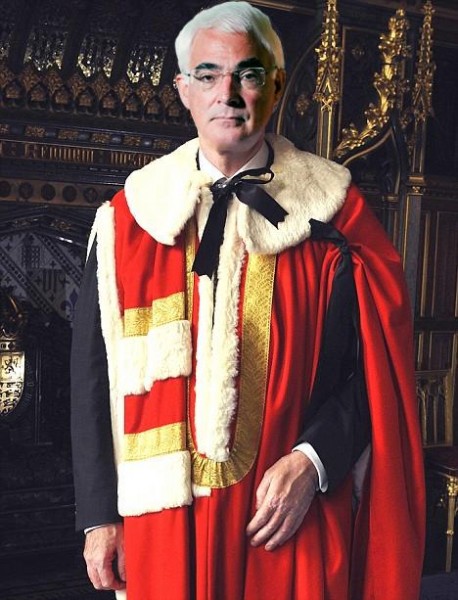
In hopes that Lord Darling soon would be there.
The MPs were nestled all snug in their beds,
While visions of oil money gushed through their heads.

santadarling

And Brown with his spreadsheet, and Mackay (who’ll fudge it),
had just settled accounts and balanced the budget –
When outside the office there came such a racket,
They wondered if Ewing had started to frack it.

Continue reading

Passing Go

 “Let the children once see clearly the gross injustice of our present land system and when they grow up, if they are allowed to develop naturally, the evil will soon be remedied.” – Elizabeth Magie, inventor of “The Landlord’s Game”, the precursor to Monopoly.

For a game about rampant, exploitative capitalism and a race to deliberately bankrupt your mates, in some ways Monopoly looks remarkably egalitarian compared to modern Britain

Monopoly

Continue reading

The Return of the Sick Man

“Annual income twenty pounds, annual expenditure nineteen nineteen and six, result happiness. Annual income twenty pounds, annual expenditure twenty pounds ought and six, result misery.” – Dickens, David Copperfield

The shape of the next UK economic crisis has become apparent. It may have already begun and it’s not at all clear how it can be avoided or mitigated.

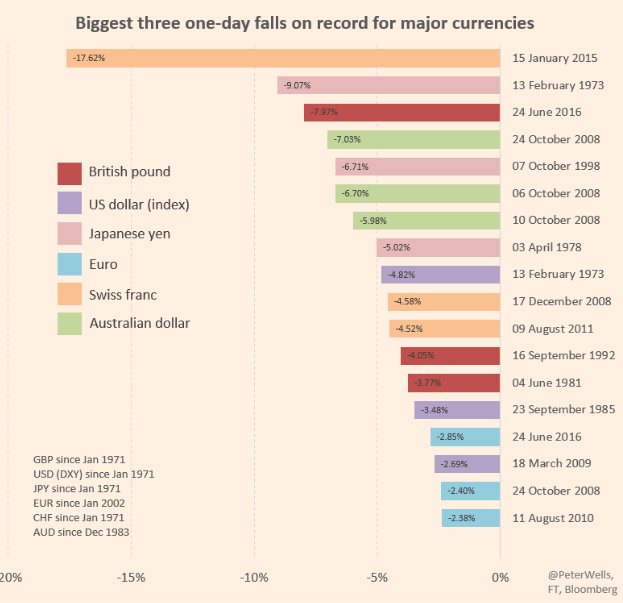
On the 23rd June 2016, the United Kingdom, for a variety of reasons, voted to leave the European Union. The immediate impact of this was an almost unprecedented drop in the value of the pound with respect to its major trading partner currencies.

Currency fall

Not much of a problem, the defenders said, as a weakened currency has its merits as well as demerits. Exports should become cheaper, which would boost foreign trade.

This may have been true in times gone by but economies have grown vastly more complex than this. Many products manufactured in the UK consist of sub-components drawn from multiple countries and globalised supply chains have grown STAGGERINGLY complex.

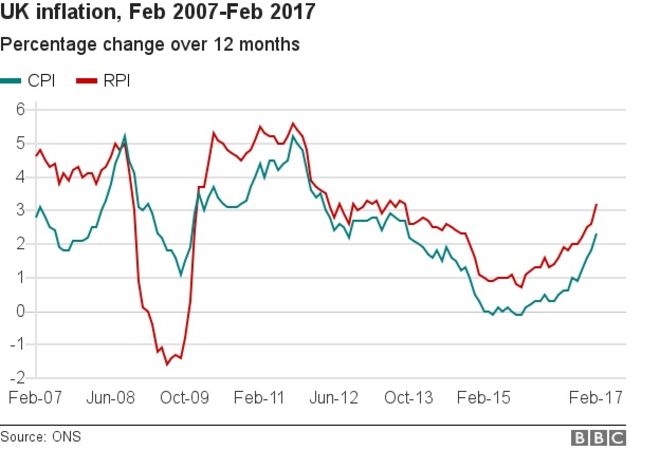
What this has meant is that even the goods that Britain manufactures here have seen their “input prices” increase, which has pushed up the price of goods even despite the fall in currency strength. Add to that, the fact that the UK imports far more than it exports – it has one of the largest trade deficits as %GDP in the OECD –  and it becomes clear why prices have started rising again in Britain. After five years of declining inflation rates and almost a year of zero price increases, inflation has returned with a vengeance.

_95250708_chart_inflation_mar17

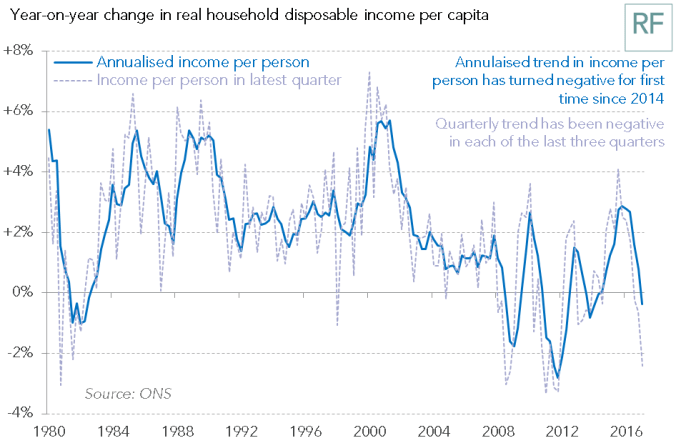
But this needn’t be a terrible thing. In fact, inflation can often be quite useful as it erodes the value of debts (which is why creditors and asset holders hate it so much). So long as wages keep up with the rising prices then for those who don’t depend on the rising value of assets or debts it can be manageable. So how are we doing on that point?

Oh…

income.jpg

We’re not doing so well.

So inflation is rising and wages are declining, so we’re in the situation where meeting our needs and maintain a decent standard of living is becoming more and more difficult. But even this could be mitigated or reversed if the government were to step in and support the economy by investing or by otherwise injecting money into it.

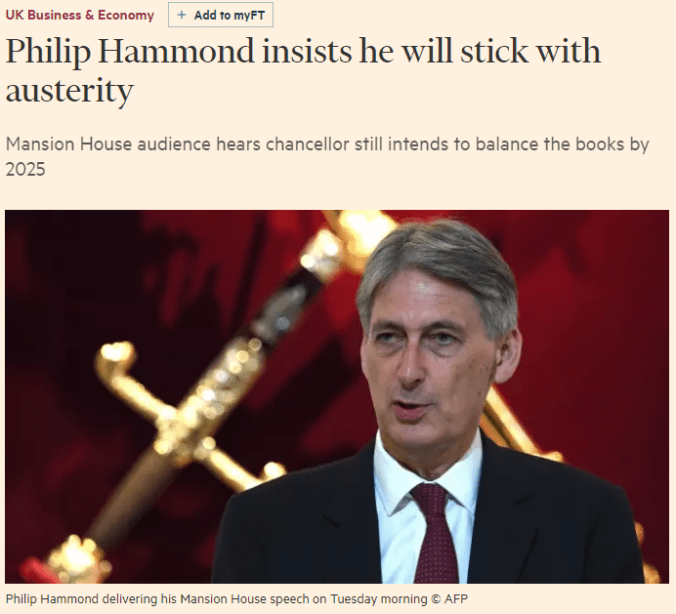
So how’s the UK dealing with things? Well…

FT.png

And so this is the root of the coming crisis. Prices are rising, wages are stagnating, savings have been drained, credit cards have been maxed out, and the government is pulling out of the business of providing government and public services so you need to spend even more to replace it. We no longer have enough money to meet our basic needs, never mind the disposable income to buy the widgets we need to consume to keep the wheels of the economy turning.

Up here in Scotland, there are signs that the crisis is already upon us. The Fraser of Allander Institute published a report today warning about the precarious nature of the Scottish economy saying that it was stagnating with relation to the UK economy as a whole. Some will almost certainly be quick to blame this on the Scottish government (the phrase “uncertainty of a divisive second independence referendum” comes to mind). There are certainly some things that the Scottish Government could do to help – a National Investment Bank should be high on the list and a good shake up of the domestic agenda would be welcome – but the ultimate cause of this slow-down does not originate in Scotland nor will its solution come from here (at least until the levers of power are returned to the country upon independence).

The problem, ultimately, is that Britain isn’t Great. Britain is Weird. Britain is a deeply unequal country on a scale which, compared to its neighbours, is utterly baffling.

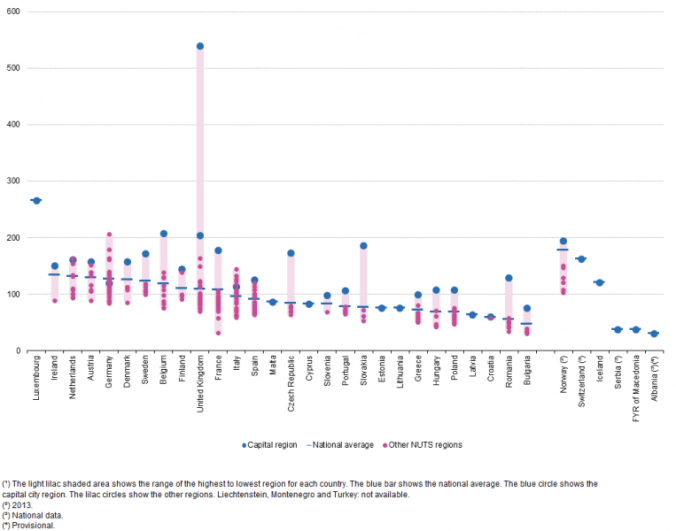
In many countries, the capital city will be the richest region of the nation. This is normal –  Money wants to be close to power – but the UK’s disparity really needs to be seen to be believed. Here is the GDP/capita for each of the EU28 and EFTA countries broken down by region. Spot the odd one out.

763px-Gross_domestic_product_(GDP)_per_inhabitant_in_purchasing_power_standard_(PPS)_in_relation_to_the_EU-28_average,_by_NUTS_2_regions,_2014_(%_of_the_EU-28_average,_EU-28_=_100)_RYB2016.png

(Note that the UK has two capital dots. The lower one is London as a whole. The upper one is just Inner London)

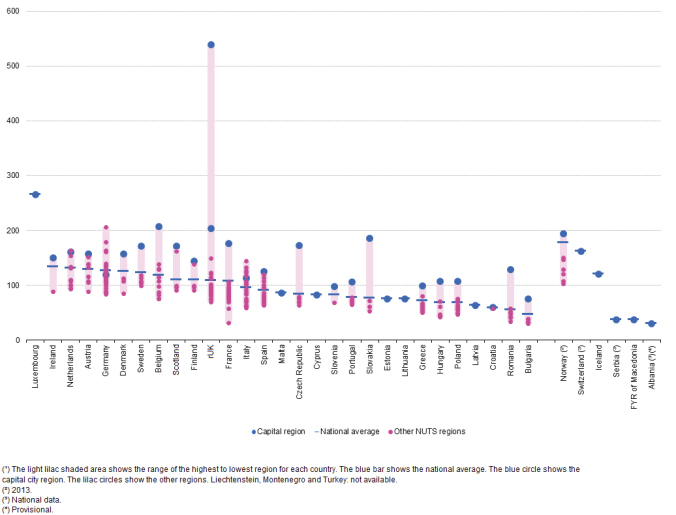
Whenever statistics about Scotland are produced, they’re often given with reference to the “UK average” or the “UK as a whole” but the extreme disparity of Britain masks the picture. Detailed analysis by Prof Mike Danson of Heriott-Watt University has shown that Scotland’s GDP per capita is the third highest region of the UK (after London and the South-East) and, if we were an independent state, we’d be the 9th highest in Europe. In fact, we can disaggregate out the Scottish data from the chart above and catch a glimpse what we’d look like as an independent country.

EU28 plus Scotland GDPcapita

(Edinburgh data estimated from 2011 NUTS 3 database)

Taken on this view, Scotland no longer looks like a “below average” region of the UK but a fairly normal Western European country. Far more like Finland or Denmark than, say, Greece.

As Prof Danson says, the obsession with comparing Scotland to misleading “UK average” figures leads to commentators ending up unable to take a step back and ask what is happening across and within the UK and where the problems really are. Until this happens, Scotland will continue to stagnate within the UK as the overinvestment of London continues (and is likely to get worse through the Brexit process in a desperate attempt to prop up the financial sector there).

As said earlier, there is a way out of the coming credit crisis but it’s going to involve not more Austerity but a whole lot less. Economists are increasingly coming around to the realisation that the Government’s debt is your surplus and that governments can take on that debt almost without limit (unlike you who have hard limits on credit and the ability to repay it) and – if they have their own currency – can print money in order to provide services (unlike, again, you who would go to jail if you tried that).

Once again, there is a certain amount that the Scottish government can – and should – do at the moment to help but it will always be stymied by the very tight rules of devolution. There’s little to no hope of the UK changing course any time soon (even Corbyn’s Labour is solidly committed to “balancing the budget“)  and the hard Brexit the Tories and Labour are both pursuing is being increasingly differentiated by the amount of damage the plans will cause rather than any attempt to prevent it. The Sick Man of Europe seems destined to return to the UK. I only hope that Scotland doesn’t catch its cold.

tcg-logo-7


We Need To Talk About: A Financial Transaction Tax

“We bailed out the City 10 years ago when the crash came, we poured hundreds of billions of pounds into it. Since then £100bn has been given out in bonuses in the City. So we are asking for a small contribution…to fund our public services.” – John McDonnell MP

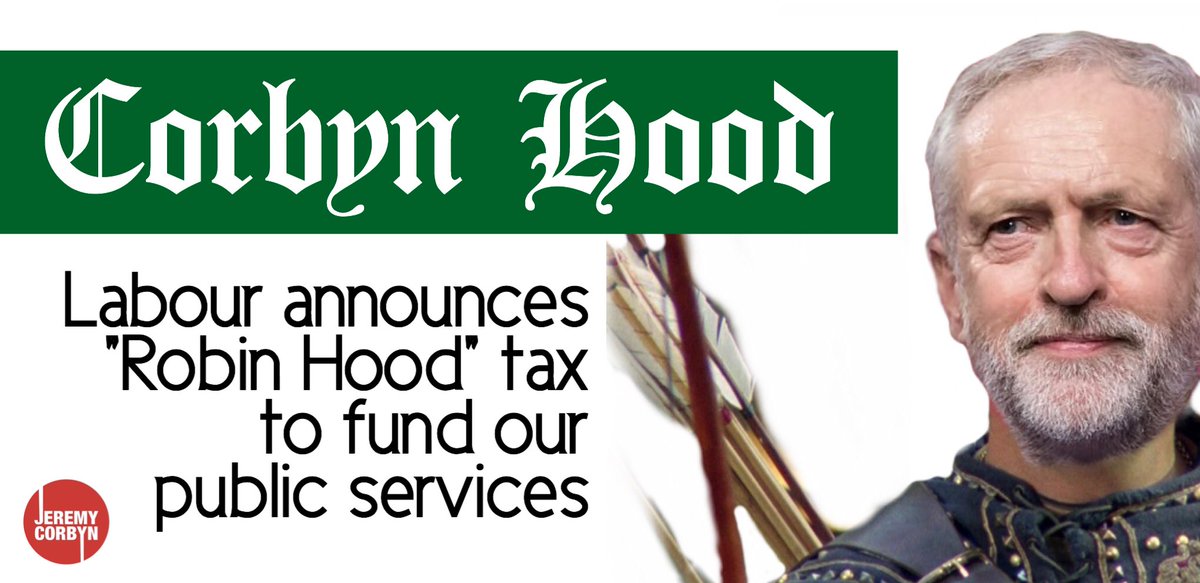
Image result for "corbyn hood" tax

Last night, Labour announced one of their keynote policies ahead of the 2017 General Election. A financial transaction tax on the City of London. Time for a blog to outline just what in the name of Jim it actually is and what it’s supposed to do.

Continue reading