Time For Some Tech Optimism

 “I’m an optimist because I know what technology can accomplish and I know what people can accomplish.” – Bill Gates

(This blog post previously appeared in Common Weal’s weekly newsletter. Sign up for the newsletter here.)

Despite my scientific training and engineering background (or perhaps because of them) when talking about the climate emergency, I’ve generally been wary about going down the route of tech-optimism, of believing that there’s a technological solution to the problem just around the corner. There are three broad reasons for this. The first is that risk that the tech fails and leaves us in a worse place than we currently are. Continuing to emit carbon until the day that a tech-priest grants us the blessing of effective carbon capture only works if the blessing actually arrives. If it doesn’t, then we’re left with a larger problem and even less time to fix it. And a strategy like “Net Zero” that fixes part of the problem (like EV cars fixing carbon emissions) but doesn’t address the rest of the problem (overall air quality) isn’t even a solution.

Continue reading →

The Welsh Way Forward – Part 2

The conversion of an industry to public ownership is only the first step towards Socialism. It is an all-important step, for without it the conditions of further progress are not established. One important consequence is a shift of power that resolves the conflict between public and private claims. The danger of the State machine being manipulated by private vested interests is thus reduced. – Aneurin Bevan

(This blog post previously appeared in Common Weal’s weekly newsletter. Sign up for the newsletter here.)

Wales risks creeping ahead of Scotland in progressive policy again, if the Welsh Government adopts proposals put forward by the Institute for Welsh Affairs to radically increase the amount of community owned energy in Wales.

Their new paper, Sharing Power, Spreading Wealth, is a comprehensive map of the state of public energy in Wales and identifies just about every angle that we’ve been campaigning for in Scotland (including mention of the role of Ynni Cymru – the new public energy company set up by the Welsh Government based on our Powering Our Ambitions model of a National Energy Company).

The paper, like much of our energy campaigning, identifies profit extraction from energy resources as a major driver of the current cost of living crisis as well as a major barrier against the development of renewable energy around communities (it’s a bit of a hard sell to see your landscape covered in wind and solar generators knowing that your own energy bills keep going up and none of the profits stay similarly within eyeshot) but also identifies that Wales along, with even more limited devolved funding than Scotland has, is unlikely to be able to nationalise the entire sector.

Continue reading →

Submerged In Leith

“And so castles made of sand slips into the sea, eventually.” – Jimi Hendrix

(This blog post previously appeared in Common Weal’s weekly newsletter. Sign up for the newsletter here.)

Why is Edinburgh considering building housing on land that may be underwater before their mortgages are paid off?

In the Herald this week, a plan was announced to build 300-odd houses in a currently brownfield site at Edinburgh Harbour in Leith. This comes just over a year after approval was granted for a 600 home development at the other end of the harbour. Scotland has a housing crisis and the only way out of it is to build up housing stock so that it exceeds demand and begins to bring house prices down to actually affordable levels again and we build them in a way that doesn’t subject the residents to fuel poverty or, as may be the case here, assets stranded as a result of poor construction or the climate emergency. Scotland may have been one of the first countries in the world to declare a climate emergency but we’re still far from acting like it when it comes to policy.

In 2019, Edinburgh Council followed Holyrood in accepting that climate emergency and soon after they published a climate readiness plan on what they planned to do about it. It’s actually pretty good in terms of the policies it lays out and from what I’ve seen of Edinburgh lately, they seem to be making a decent shout of making progress towards the goals as stated, however there is one glaring omission to the plan and it pains this resident of a land-locked Local Authority to point it out – the plan only mentions the threat of sea level rise once, only does so in passing and does not recommend any policies or actions to address it. I’ve discussed this issue before with respect to Scotland’s airports, but it’s obviously time to look at it again.

Continue reading →

Paying the Price of Climate Delay

“How is it that we already have so many solutions to the climate crisis that don’t compromise human rights or justice, but the only solutions being seriously considered are the ones that do?” – Mikaela Loach

(This blog post previously appeared in The National.)

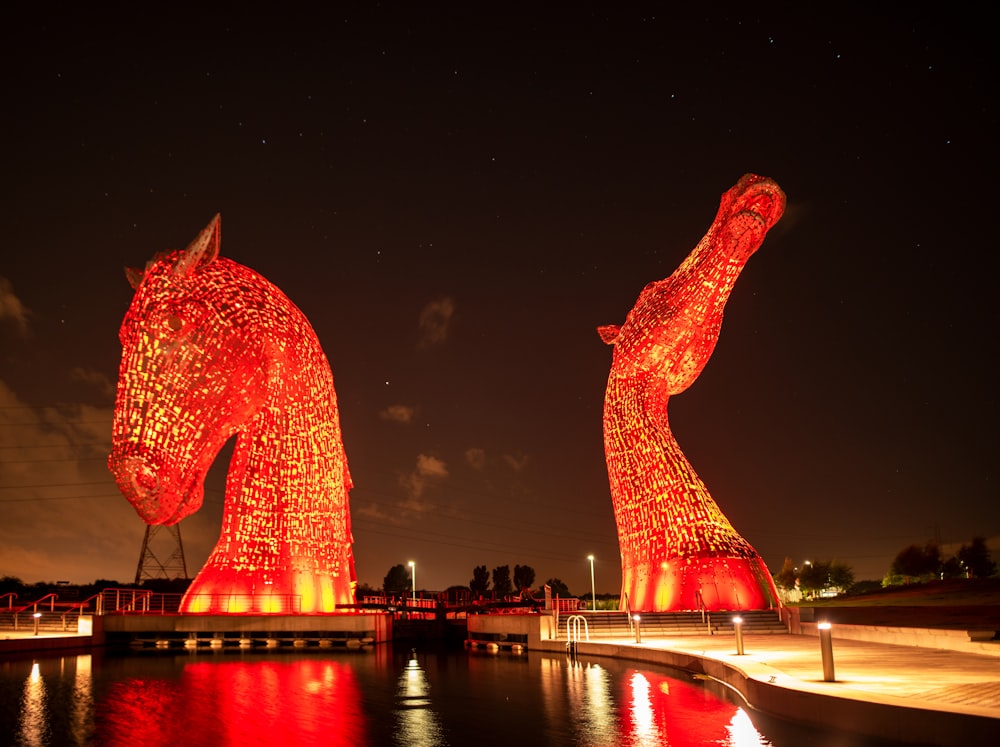
red dragon statue near body of water during night time

The Climate Change Committee has declared that it no longer finds the Scottish Government’s Net Zero plan to be credible. That the Government will breach its statutory duty to reduce carbon emissions by 2030 by 75% (with no catch up plan in place to reach Net Zero by 2045) and that instead of there being a comprehensive strategy to reach Net Zero, the best we have is a serious of ad hoc, disconnected announcements. This comes off the back of the Scottish Government being found to be acting unlawfully by not publishing the expected carbon impact of its policies, in line with those statutory targets. Not to mention that “Net Zero” is itself insufficient as it merely promises that Scotland will continue to pollute until 2045 before stopping but makes no promise to fix the damage we’ve already caused (particularly on the Global South both in the present and during our colonialist exploitation of those nations).

Continue reading →