“Climate change will manifest as a series of disasters viewed through phones with footage that gets closer and closer to where you live until you’re the one filming it” – @PerthshireMags, Twitter
This blog post previously appeared in The National as part of Common Weal’s In Common newsletter.
If you’d like to support my work for Common Weal or support me and this blog directly, see my donation policy page here.
I hope everyone came through the storms this week without harm. We were lucky. Our own garden ended up a bit of a mess and our basketry willow grove is rather bedraggled but everything and everyone is otherwise fine. Some of my friends and neighbours weren’t so lucky with quite a few reports of leaking roofs, downed trees and escaped gazebos.
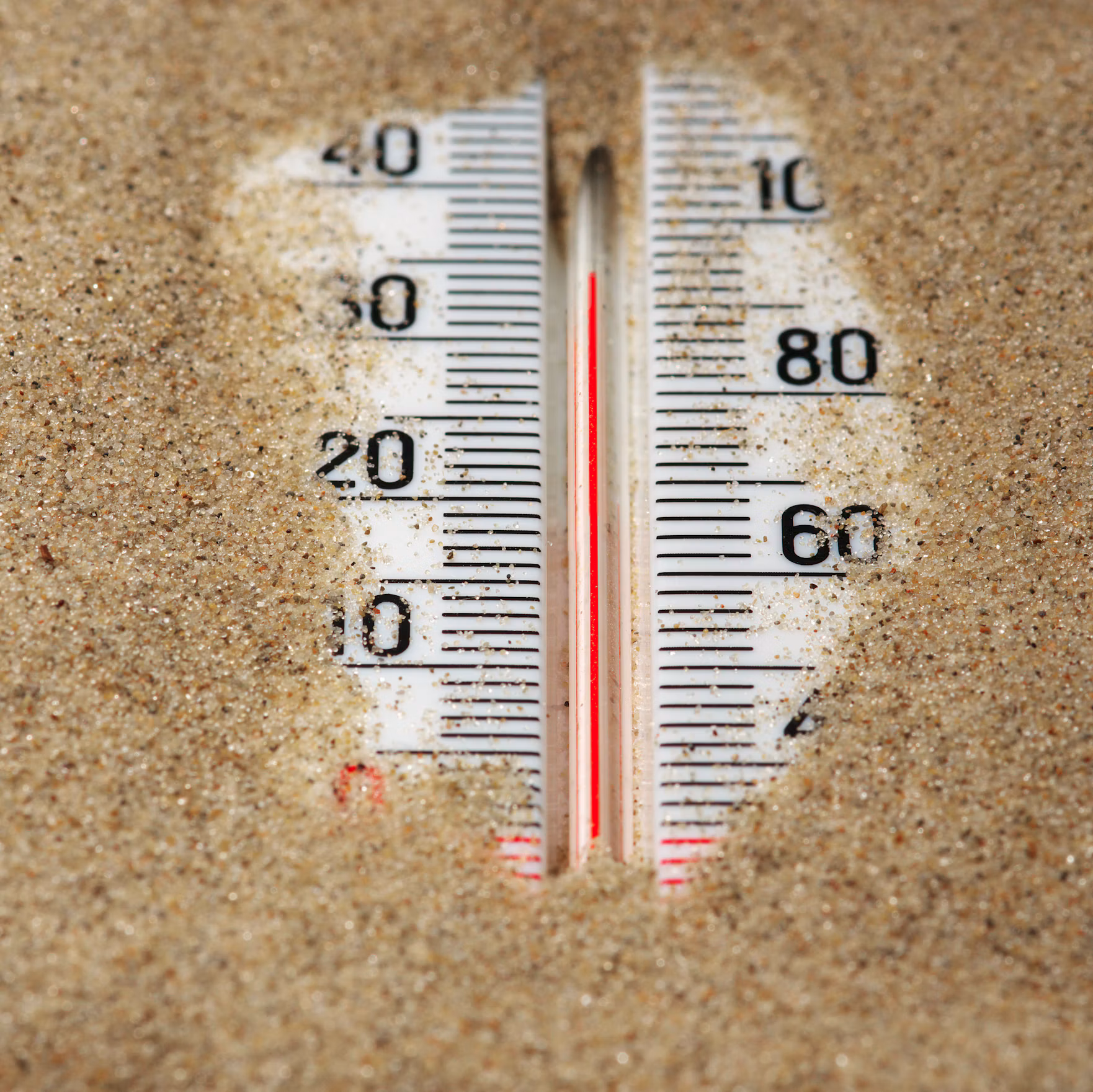
This year is yet another year in a run of years of increasingly chaotic weather. With the 2026-27 El Niño boosting temperatures further and it being the most intense ever recorded, it is likely that 2026 will itself be the hottest year on record, just as so many of the years of my lifetime were also the “hottest year on record” of the time. The natural annual cycles of temperature mean that not every single year broke that highest temperature, but what was a “relatively cool” year in 2019 would have been the “hottest year on record” had it happened in 2010. Similarly, the “hottest year on record” in 1998 or 1981 would look weirdly cold by today’s baseline. It is a sobering thought to realise that I will likely never live to see years as cold as the decade I was born in, even though that was then the hottest decade human civilisation had seen for centuries.
This has implications for everything we do in Scotland and that is going to be true even if we start ignoring the pro-oil climate deniers and start actually taking the actions we need to take to transition away from fossil fuels rather than opening up more wells to further enrich already rich oil barons at our own expense.
We will, for example, need to consider not just how we insulate our houses against winter cold (even in a warming planet, climate chaos means we will still see “weather bombs” dump cold air and snow on us) but also against summer heat (the record heatwaves this year saw around 50,000 people die in Europe, with around 33,000 attributed to human-caused climate change).
We also need to consider our food supplies given that agriculture is going to become increasingly difficult in parts of the world including in this country where climate is changing faster than farmers can adapt to new crops or techniques and where climate chaos means more harvests lost to storms and other extreme events.
The old model of protecting ourselves was just to declare that Globalisation would save us. We could just buy in products from elsewhere. In fact, we could even get them cheaper by allowing companies to exploit workers who were far enough away that we couldn’t see them.
We’re seeing now the folly of that and how quickly global supply chains can turn from genuinely impressive miracles of engineering into a severe liability due to events as big as a new pandemic to as little as one man’s ego and a needless and illegal war over a vital chokepoint.
During the pandemic, Common Weal produced a series of papers entitled “Resilient Scotland” which started with the economic underpinnings of a strategy to make Scotland less vulnerable to shocks as it caused and went on to produce papers with a short, medium and long term transition plan to get us there.
This, combined with our 2019 Common Home Plan on a Green New Deal, should be the focus of socio-economic planning right now. We need to move to an economy that is secure in its fundamental – things like food, energy and housing – and can better cope with disruptions to everything else. This means deconsumerising as much as we can, sharing and borrowing more within our communities, building up community infrastructure and gearing our economy more for wellbeing and circularisation rather than endless growth.
Right now, things are going the opposite direction. In addition to boosting fossil fuel extraction, emergency planning from the UK Labour Government has published a “Deil tak the hindmaist” individualistic approach to things like food stockpiling in what can only be described as the final victory of Thatcher’s declaration that there is “no such thing as society” and the Scottish Government is so absolutely wedded to inwards investment that they are trying to sell off absolutely everything they can to “the market”. I was reminded this week that the Scottish Government’s own approach to nature investment, the “Natural Capital Market Framework”, is entirely about opening Scotland’s natural assets to private investment and describes the scope of those assets as “our geology, soil, air, water, plants and animals”.
The consequences of decades of inaction on climate and on ignoring the warnings of short-term profit-chasing in the economy are coming home to roost simultaneously right now. We’re seeing the impacts in the thrashing trees outside our windows and the fact that we can’t afford to buy what we used to consider the basics of food and fuel. We know what the solutions are because the same folk issuing the warnings have been holding them in out for us too.
It seems though that our leaders are still intent on ignoring those warnings and those solutions though, and to instead keep listening to the people who have been largely responsible for both the problems we’re seeing and for our lack of resilience in the face of them. If that doesn’t change, then our future will just keep running along the same trend of my lifetime so far. More “hottest years on record”, and a hope that we’ll be lucky in the next storm too.