We Need To Talk About: Social Housing

“Before you can start building [houses] on any scale, every single industry in society has got to be organised and stimulated into production.” – Aneurin Bevan, 1946.

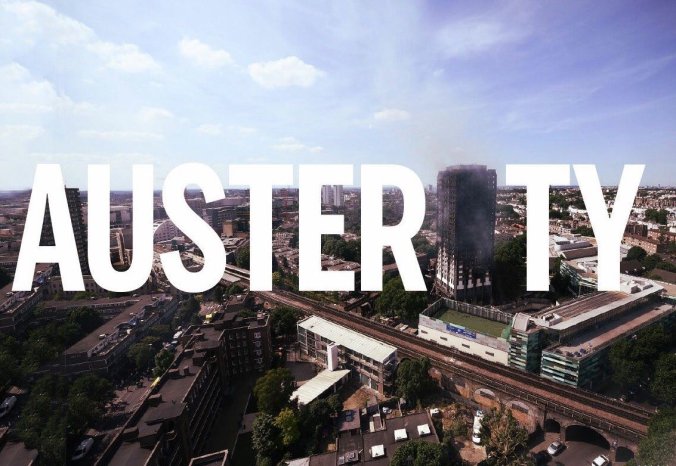
Austerity - The_Heilan_Coo.jpg

Credit: The Heilan Coo

The inferno at Grenfell Tower has claimed many lives (as I write, the official estimate for people dead or missing and presumed dead is 58.), has likely wiped out entire families and will have irrevocably changed an entire community forever.

It’s still too early to be fully deconstructing the causes and blames of this disaster but a few things have become widely reported and will likely play into the debate in the months and years to come.

However the blaze started (early reports suggest a power surge igniting a fridge on the 4th floor) it appears that the flames spread rapidly up the insulating cladding on the outside of the building, engulfing the entire structure in minutes and trapping many inside.

It has also emerged that the cladding involved was the cheaper of two options provided by the supplier and of a construction which would be illegal in several countries including the US and Germany. The fire resistant version of the cladding appears to have cost fractionally more – just £2 per square metre, or £5,000 for the entire block of flats. Further, it appears that at least part of the motivation for the choice of cladding was to improve the appearance of the flats for the benefit of nearby luxury high rises.

The Grenfell Action Group has been warning of a catalogue or failures of construction, maintenance and accountability for years. And the complete failure of leadership in the wake of the disaster, especially from PM May, has been appalling. This interview by MP David Lammy, who lost a friend in the blaze, does much to exemplify the sense of frustration and anger felt by a community which justifiably feels betrayed and it is no wonder at all that protests have occurred (so far peacefully).

Of course, the building contractors will all tell us that they are not to blame as they met all applicable regulations. And they’d almost certainly be correct. This is the nature of the relationship between capitalism and government regulations. It will always be the case that companies will meet regulations by the barest minimum that cost allows and will always lobby for those regulations to be decreased if the cost of lobbying is lower than the savings due to the regulation cut (for, in this case, politics can be reduced to just another form of investment).

I’ve been particularly appalled by one article in Bloomberg which takes on the extreme libertarian approach to this stating that all fire regulations should be scrapped because in the perfect world of the libertarian, any regulation which increases cost is unacceptable. Instead, the people who lived in the tower should have rationally weighed the risks of living in the tower with that cost and, if they wanted to, could have moved to some (presumably more expensive) tower nearby which DID include the safety features.

I shouldn’t need to fully dismantle this worldview. The residents of Grenfell did not have the choice of a hypothetical “safe” building next door into which they could move. Even if they did, humans simply are not the machine-like “rational actors” demanded of libertarianism nor do they always have the perfect information required to make such a choice (Could you identify a flammable cladding from a non-flammable one? If the libertarian landlord tells you, could you completely trust them? Could you tell if they were lying? Without any regulations, how would you hold them accountable if they were?)

I have written before, in less tragic terms, on the need for regulations to go well above and beyond the bare minimum. It will be essential if we wish to meet our targets to reduce energy consumption (which will be good for the environment and save a lot of people a lot of money in heating costs). I now believe it’s time to go much further than this. The private sector will always be an anchor against attempts to increase decent housing stock (especially for the poor) and to get the UK’s housing price inflation under control. It’s time for the government to start intervening and build social housing again.

Unconstrained by the needs to seek profit, the government can apply its own regulations, well above the “legal minimum” if need be, and can do some proper planning to ensure that it’s not just housing that’s being built (this has long been the failure of many projects in the past such as the high rises and the out-of-town blocks such as Easterhouse in Glasgow). We need to think about the amenities and the jobs and all the other functions of a town which enables communities to thrive. Common Weal has recently published some proposals on how local areas can control their own land and ensure that their specific needs are addressed on their terms. We can’t keep treating housing as a commodity for the rich, constantly pushing folk to “climb the property ladder”, treating those who can’t to the slums and the land-baggers and simply abandoning them. We can’t keep segregating people and reinforcing the class and wealth divides  and then blaming those on the bottom end for “just not striving hard enough“.

This isn’t to say that high-rises don’t have their place – endless suburban sprawls constantly bite into farmland and wild spaces and often fail to engender any sense of community at all, not to mention the health and climate effects caused by having to drive to reach anything other than your own house and the extra costs of delivering services to low density populations. Smart Cities, well designed with these factors in mind, may be a major factor towards a sustainable future (and I say this as someone who lives in a rural area).

And these cities need a lot of work to build. From brickies and plumbers, through planners and designers, past educators and mentors, to the computer experts who’ll get the smart systems going and keep them running, there is vast potential to employ a lot of people in this enterprise and to inject a huge amount economic activity into the country (in a far more productive manner than the zero-hours “gig” jobs that we’re being fed currently). If Austerity is to be ended, this could be one way to do it. And we know it works because the UK has been through exactly this before. An economy shattered by war from without (rather than Austerity from within) was reconstructed in the 1940’s and 1950’s and is still looked back on fondly as one of the UK’s golden ages. Here’s Nye Bevan talking in 1946 about his plans and how he got them started.


“That’s all great”, you say. “But how much will it cost and how do you pay for it?”

Government debt.

Did that put a shiver up your spine? Then you’ve been indoctrinated by the most dangerous ideas of the 21st century. The idea that government debt is a terrible thing.

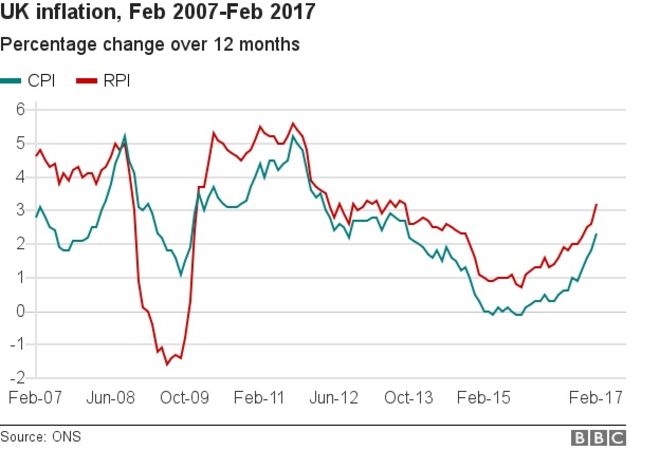
We’re living in an age where the UK government can borrow on a 30 year bond for 1.7%. Inflation is currently 2.9%. There has never been a better time to invest as right now the debt is (in real terms) cheaper than free!

Applied to the housing market, this could be a major game changer. Not withstanding the ability to directly target areas which badly need investment (preferably by allowing these areas to borrow themselves through a National Investment Bank), the advantages in cost to the occupier are significant.

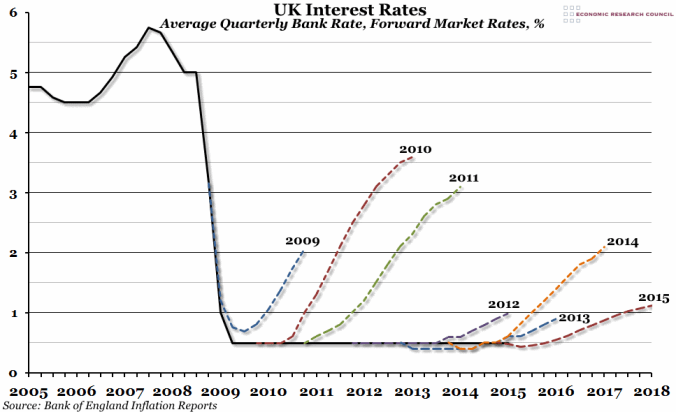
Right now, a £90,000, 25 year mortgage on a 4% compound rate would cost you about £475 per month and you’d pay back £142,500 over the term. A mortgage based on a government bond at our 1.7% (simple interest, rather than compound) would pay back over the 25 years for a little over £425 per month and, as a particular advantage to the renter, that monthly rate could be fixed for the entire mortgage period (it needn’t even be uprated for inflation as the bond isn’t). Try asking your bank for a mortgage rate fixed beyond five years. Try asking them to predict what the interest rate will be on year six.

BoE Interest Rate Predictions

(The Bank of England can’t do it, and they’re the ones who SET the rates!)

One the debt is paid off, it could be up to the government to decide whether the house remains as a social house and the occupier continues to pay rent (thus subsidising other housing), continues to live in their home rent free for the remainder of their occupation (thus preserving communities long term), or allows them to purchase the house (which would require the government to replace stock in a way that wasn’t done under Right-To-Buy)

And, of course, you can adjust the numbers as required to ensure that everyone can afford a house, built to far higher standards than the private sector will supply, without the need to make obscene levels of profits while doing so and in a location and surrounded by the services required to make that house a home embedded in a community built by and for all of us.

We didn’t need the Grenfell tragedy to have this conversation. People have been speaking about it for years now. The systemic problems in the UK’s housing industry have been apparent and have been either ignored or actively encouraged for too long. Maybe it’s time we started listening and reassessing.

tcg-logo-7

The State of This (Union)

It’s only hubris if I fail. – Julius Caesar

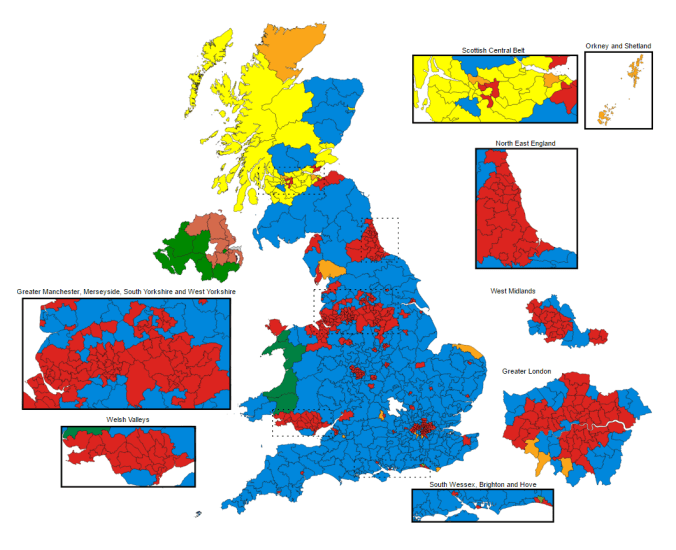
GE2017.png

On the 18th of April, Theresa May called an election which was not required, so she could increase a majority she already had, so that she’d have a mandate she didn’t need to negotiate with an EU delegation which doesn’t care about such mandates.

Continue reading

For Those Who Never Wished For It

This is a guest post by @bunniesforindy whom all of  you on Twitter should go and follow.

Independence will be won by those who never wished for it

I’ve wished for independence for a very long time.

As a kid, I waved Saltires and joined in with half-weepy, half-ironic renditions of ‘Flower of Scotland’. I drew the Lion Rampant in my notebooks. One of my most vivid memories as a teenager was staying up to watch constituency after constituency vote YES-YES for devolution in 1997. So for me, the 2014 referendum was immense fun. The flags, the foam pointy fingers, the laughter and hope and celebration.

The morning of 19th September is best passed over; if you’re like me, you know how it felt. But we recovered, and we fought on. For folk like me, Scottish independence is a lifelong dream, an uncrushable hope, and an absorbing hobby. I think I hoped what many others hoped, that we would gradually, organically win people over to our point of view. Perhaps Home Rule would be a step on the path, which might be long and winding, but in the end, would take us where we wanted to be.

That future has gone. That ship has sailed. That became abundantly clear as I watched Phantom Power Films’ latest “Journey to Yes” video.

This is the first of the ‘Sector’ series of films, and has a different tone from the others. Starting with shots panning across farming landscapes, it combines statistics about Scotland’s dependence on the sector with personal thoughts from Hilary and Carey, a farming couple from South Lanarkshire, about the impact of Brexit on farming. The effect it had on me was quite different from the other films, which are joyful and uplifting. This one was, from the very outset, grim.

Hilary and Carey voted No in 2014, primarily over fears that independence might mean leaving Europe, but also because it’s clear that self-determination isn’t a driving force for them. Carey is English. They have family from down South. They think in international, not national, terms, and despite the positive impact of devolution and the SNP government on farming, they were simply not convinced of the need to throw their eggs into the nationalist basket.

It would be lovely, for someone like me, if they moved to Yes by becoming more like me, by developing a passion for the nationhood of Scotland, a sense of joy about building a new future, and even a developing a mild allergy to the Union Jack. But that’s not what happened. As they continue, it becomes clear that their decision is hard-headed, pragmatic, and centred around the same motivation as their previous vote: Europe.

As they describe their feelings on the morning of 24th June 2016 – their paralysis, their grief (“we cried for two days”) – as they describe eloquently the history of the Common Agricultural Policy and enumerate the effects its loss will have on their business and on farming generally, this all starts to feel very serious, very real, very global, and very much bigger than just a joyful political project for enthusiasts like me.

This is not a fun video. It’s hard to watch. The destruction of the lamb industry through loss of markets. The loss of EU funding. The “new clearances”. It all carries absolute conviction, and Hilary and Carey’s conclusion is utterly compelling. These are the kinds of decisions the foresighted are making now, and this is the kind of ground on which the next referendum will be fought. Not on the idea of branching out from the familiar to the thrilling, or terrifying, unknown, but on the prospect of escape from a trajectory that is so damaging, so ill-conceived and ill-managed, that even those who will shed a tear for the Union Jack, and those with no time for flags at all, will be forced to see independence as the only credible choice.

So what does this mean for us, the dyed-in-the-wool?

It means we need to be sensitive. We need to accept that Scotland will gain her independence through the votes of many who never wished for it. Whether because sacrificing their Britishness feels like a very real loss, or just because they were happy with the way things were and didn’t ask for this upheaval, there will be people, on the morning after the last independence referendum, who feel the way we felt on September 19th, 2014. Some of them will have voted No, of course, but others will have voted Yes. Either way, far be it from us to crow. We’ve been there and we know what it’s like. Let’s show more grace than our opponents did to us.

It means we need to be pragmatic. Many of us, behind the foam fingers, are in fact very hard-headed, very pragmatic. It’s a fine feature of the Yes movement that it can be at times wonderfully exuberant and at other times boringly down-to-earth. So let’s show our best side to those who join us reluctantly. They voted No out of prudence, and that prudence is one of our great assets as a nation. We need to recognise it and value it, whatever our own frustrations over that first result. We need these people. We need all of Scotland.

And it means we need to be realistic about how urgent our situation is. I hear people saying things like “we need to accept the timetable might slip, another referendum in 5 years would be fine.” No it wouldn’t. Not if, in those five years, we lose not just our EU membership but our membership of the single market and customs union, our EU funding, and the residency and voting rights of our EU citizens.

Continuity of full membership would be nice, but if we lose it, we can rejoin. Continuity of these other aspects is crucial – we simply cannot afford to lose them, even temporarily. Even if a transitional deal is set up, every year that goes by means thousands of migrants who give up hope of a secure life here and choose to live elsewhere. And if those who stay are disenfranchised, the referendum vote will be skewed and may be lost.

I’m confident the Scottish Government understands the urgency, but I’m not so confident it’s well understood by activists, and certainly not by the general public. It’s a message that we desperately needs to get across. Many polls have indicated that a majority of people believe independence is inevitable. We need to communicate that it can’t be put off. “It’ll happen eventually…” I’m sure it will, but if we don’t take the chance now, and hold a referendum before we lose our EU benefits, the country that becomes independent 10, 20 years down the line will be damaged and diminished by what’s happening right now.

Independence is not just a project for the enthusiast. it’s a national escape plan, and the clock is ticking.


bunny

My Democratic Dilemma

I don’t recall ever having been so conflicted about a vote than I am about the upcoming general election. This week’s interviews of Theresa May and Jeremy Corbyn did little to help with that.

As a brief review of the interviews themselves. I think Corbyn came across as quietly and surprisingly firm and upright. He had successfully anticipated the questions from both the audience and from Paxman and gave solid, if obviously rehearsed and briefed, answers. The perception of him in the press is that his policies are popular but his own personal factor is rather less so. Paxman attacked that weakness and went for the personal and tried to drag, sometimes fairly; sometimes unfairly, his already well aired skeletons out of their closets. Comparatively few questions from him were on policy. Corbyn probably came out as well as he could in the face of that.

May, on the other hand, showed why she’s been trying hard to run a Presidential campaign without actually appearing in front of people. Evasive and vague answers to questions and defenses of abysmal policies being literally laughed down. One question which particularly struck me was from the older gentleman who was very upset at the prospect of losing his house to pay for social care. Equally striking that when he was asked about it after the debate he admitted that while he was unhappy with the answer, he’d probably still vote for May. This is the calculation she’s made through this whole election campaign. She knows younger folk won’t vote for her (and – hopefully, from her POV, won’t vote at all) but she’s gambling that older voters won’t NOT vote for her (and will certainly turn out). If either or both of these assumptions turn out to be incorrect, she’ll be in for an abrupt surprise on June 9th. It seems incredible to say but my estimates of the impending Tory majority have dropped from 100+…to 6 points in some recent polls.

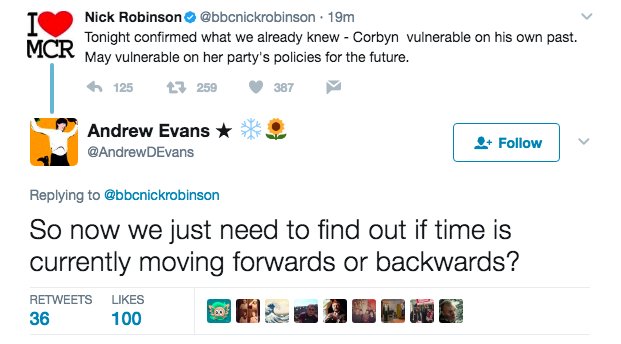
The whole debate was neatly summed up in a couple of tweets.

Media preview

So why my conflict?

I don’t have a Green candidate to vote for in my constituency. Between cost, the inherent unfairness of FPTP with regard to smaller parties and a few other factors, we don’t have a candidate for the area and so my vote is up for grabs.

If I lived in England and couldn’t vote for the GPEW, it’d be a fair no-brainer. I’m actually excited by much of the Labour manifesto. Items like the program of nationalisation, the National Investment Bank, and their previous support for a scheme to look at a Universal Basic Income (though it hasn’t made it into the actual manifesto) are all policies that the Greens and Common Weal support and advocate for.

This isn’t to say that the manifesto is perfect. There have been compromises there to keep the ever recalcitrant PLP in line. Corbyn has all but admitted that he doesn’t like not being able to change the party stance on Trident and I certainly do not appreciate the manifesto’s stated opposition to Scottish independence. While reports more recently have somewhat softened that, i’d think it likely that he’d go into that negotiation from a stance of either offered Federalisation or finding some other way to try and “buy off” the nationalists rather than support a referendum.

But this isn’t the largest blocker towards my placing my vote in the Labour box. Quite frankly, I don’t trust Scottish Labour and Kezia Dugdale to support anything that Corbyn offers. Certainly not if opposing Corbyn helps them with their sole and over-riding goal of opposing the SNP at every possible avenue. I could believe that Corbyn would seek a coalition with the SNP to oust the Tories. I could equally believe that Dugdale would sabotage it to frustrate Sturgeon.

So my vote should go SNP then? Well…I can’t say I’m entirely impressed with their manifesto. There’s some good stuff in there – commitment to energy grid reform and the general pushback against Austerity is decent – but there’s a lot missing too. The SNP have been clearly outflanked on the National Investment Bank issue. They could have placed a commitment in there on that with the sweetener that they’d push for it in Scotland even if they couldn’t win power in Westminster. As a negative, I don’t like the continued push towards Carbon Capture – especially now that Scotland is free of coal power. As a technology, it’s looking more and more like another distraction from decarbonisation at best and an excuse to develop technology for ever more oil extraction at worst.  The lack of push on corporation tax beyond “opposition to further cuts” is also disappointing.

This last concern brings me to another point. I’m struggling to see the balance between the overall promises to end Austerity and the commitment to “balancing the budget” within the next five years. When asked directly at their manifesto launch about whether these promises were costed, Nicola Sturgeon didn’t give a particularly straight answer. I think the party is still caught in the trap of believing that government deficit spending is a “bad thing” and that we can just grow our way to economic “success”. There are some very good reasons to believe that this economic model is badly flawed.

Overall, this is clearly a manifesto built for a party which knows it can’t win any more seats than it already has and is trying to avoid losing too many. It’s also clearly a manifesto written without much intent of being implemented. The party rhetoric has consistently been one of assuming a Tory majority in which Scotland’s MPs would be ignored.

Away from the national campaign and down to the local I’ve been having a look at who is standing in my own constituency. It’s currently an SNP seat with the Tories in a very distant second. Even if the Tories pick up every single non-SNP voter, they’d still be shy some 7,000 votes. This probably explains why, a week and a half out from the elections, I haven’t seen a single piece of campaign literature from anyone and why my choice of candidates have been…let’s say “less than stellar”. We have the incumbent MP (whom I do like and respect). The Lib Dems and UKIP are both running one of their recently failed council election candidates and, rather more seriously, the Tories and Labour are both running one of their recently ELECTED councilors. I can’t help but think that they’re not taking this election particularly seriously.

So that’s my dilemma. In terms of manifestos, I’m probably most attracted to Labour’s but their opposition to independence and my lack of faith in Scottish Labour’s commitment to their own party is a serious concern. Whilst I’m not quite so enthused by the SNP promises and they look more like a list of nice things than a complete vision of a country, I can more easily believe that they’d work towards them given the chance and that, at heart, they will be thinking of Scotland when making inevitable compromises.

I need to throw things out for advice. To the SNP – I’m yours to lose. Convince me that your numbers add up and you’re trying to build something more than just a list of nice soundbite policies. To Labour – I’m yours to win. Convince me that your party still has a place in politics north of the border.

tcg-logo-7

How Scotland Votes: A Guide to the General Election

A Guide to the 2017 General Election

Image result for house of commons uk

Once more unto the polls, dear friends, once more.

Thanks to Theresa May’s call for a snap election we find ourselves going again back at the polling stations on June 8th to elect our representatives to the UK parliament, just two years after having done so previously. Time, then, for another of my impartial and non-partisan guides for first time voters or those who have not voted in some time and wish to know how to vote. As with my other voting guides, it will not be the place for this article to lobby for any particular vote. I’ll leave that to other blogs (such as, but not limited to, Scot Goes Pop, Wings Over Scotland and Wilderness of Peace) and to other articles.

Background

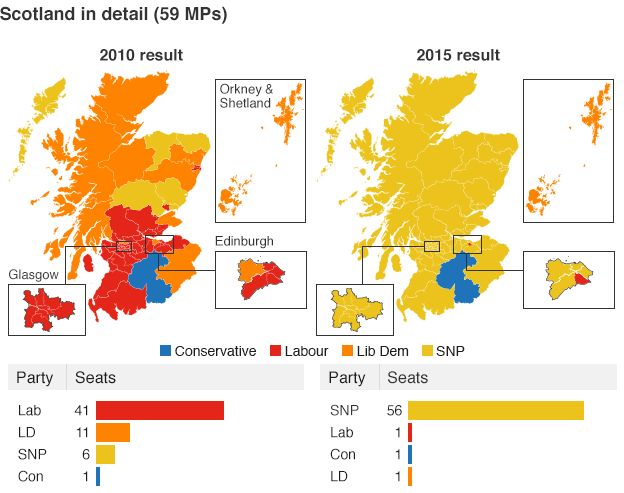
Whilst this is a UK wide election, the focus here will be on Scotland as that’s where I am and where I know best. It has been a time of great change in this country over the past decade or so, particularly in the aftermath of the 2014 Scottish Independence Referendum which saw a great divide in the landscape of the party politics of Scotland and a substantial surge in support for the pro-independence parties. The swing from the 2010 results to the 2015 results were dramatic enough to have carved a place forever in the history books and to have shocked many who were trying to predict the results ahead of time.

Image result for scottish general election map

Since then, the rise of the Conservative and Unionist vote in Scotland, largely gained via that party’s cannibalisation of their former allies, Labour and the Lib Dems, has been the talk of the political water fountains. With the SNP sitting about as high as they possibly can in the rankings, most are asking how far their support will or will not erode and who will pick up any seats they may give away.

First: Register To Vote

This is the most important thing. If you are not registered to vote, you cannot vote. There is no “on the day” registration in Scotland and the deadline for the Council elections is 23:59 on May 22nd. If you are registered, you are likely to have received a polling card by now telling you where to vote. If you haven’t or if you know that you are not registered, then information on how to do so is here. Even with the relatively high turnouts seen in Scotland lately, it’s still often the case that more people do not vote than vote for the winning candidate in a seat. Get out and have your say.

Unfortunately, unlike the Scottish Parliamentary elections, the EU elections and the Scottish local elections, this vote is not open to 16 and 17 year olds nor to non-UK, EU citizens. Westminster is yet to catch up with the opening of the electoral franchise to these groups. If you find yourself in this situation the only thing I can suggest is that you lobby your friends and family who can vote to consider your needs along with their own and to continue to demand that things change in future elections.

How To Vote

Of the various election methods used in Scotland’s various elections, the one used in the General Election is both the easiest to explain how to fill out a ballot and the easiest to count and come to a result. For this election, Scotland is split into 59 constituencies as shown below.

Image result for scotland 2015 general election

In each of these constituencies several candidates will be vying for your vote. Despite the attention given to the political parties both in the media and in practice within government, technically you will not be voting for a party on your ballot sheet. You will be voting for a person to represent your constituency in the House of Commons and that person may or may not be a member of a party.

When you go to cast your vote, either at the polling station or via a postal vote, you will be presented with a ballot paper which looks something like the one below.

Image result for uk general election ballot paper 2015

The candidates will be shown in alphabetical order according to surname and below their name will be shown their registered address and either the name of the party to which their belong (if any) or a slogan chosen by the party which represents something about them. The party’s logo may be shown to the right.

You may cast your vote by placing an X in the box beside your preferred candidate. Do not make any other mark on the paper and do not rank candidates in preference order as you may have done in the council elections as this will invalidate your vote.

Once done, put your ballot in the box and you’re done.

Counting the Votes

Once the polls are closed and the ballot boxes unsealed, it’s time to count the votes and decide who wins each seat.

The General Election is counted using the First Past The Post system, or FPTP. This system has the advantage of being very easy to count and always decides a single winner who will represent that seat.

In this system, the ballots are simply piled according to the X’s and whomever gains the most, even by a single vote, wins. There is no need to win a majority of votes (that is, over 50% of all votes cast) or anything like that. This does lead to the inherent unfairness of FPTP as one can easily see that in a race between, say, four nearly evenly matched candidates, the winner will be the one who receives just slightly over one quarter of all votes cast. In fact, Alasdair McDonnell of the SDLP did precisely this in 2015 winning the seat against six other candidates in Belfast South with a total of 24.5% of votes cast and currently holds the record for the lowest winning percentage of votes in a UK General Election.

This allocation of seats means that parties can win a large number of seats based on a relatively small percentage of the overall vote. Since WWII, there hasn’t been a single UK general election where the winning party has received more than 50% of the overall popular vote. When it comes to forming a government, the party with the most seats generally has the first chance to try to do so and, with only a few exceptions, it is generally the case in the UK that the winning party is able to form a majority government and rule alone. The previous Conservative government had a majority government despite only receiving 36.1% of the overall UK vote.

The limits of FPTP also mean that parties which have small but concentrated votes, such as the Lib Dems and the Greens of England and Wales, can receive seats by winning those individual constituencies whereas parties like UKIP can receive a broad level of support across many constituencies without winning any single one of them.

But, for worse or better, that’s the system we’ve got at the moment. I hope this guide helps folk understand it and helps you cast your vote on June 8th. If you haven’t voted before or were planning to not vote, I hope you turn out and have your say.

tcg-logo-7


We Need To Talk About: A Financial Transaction Tax

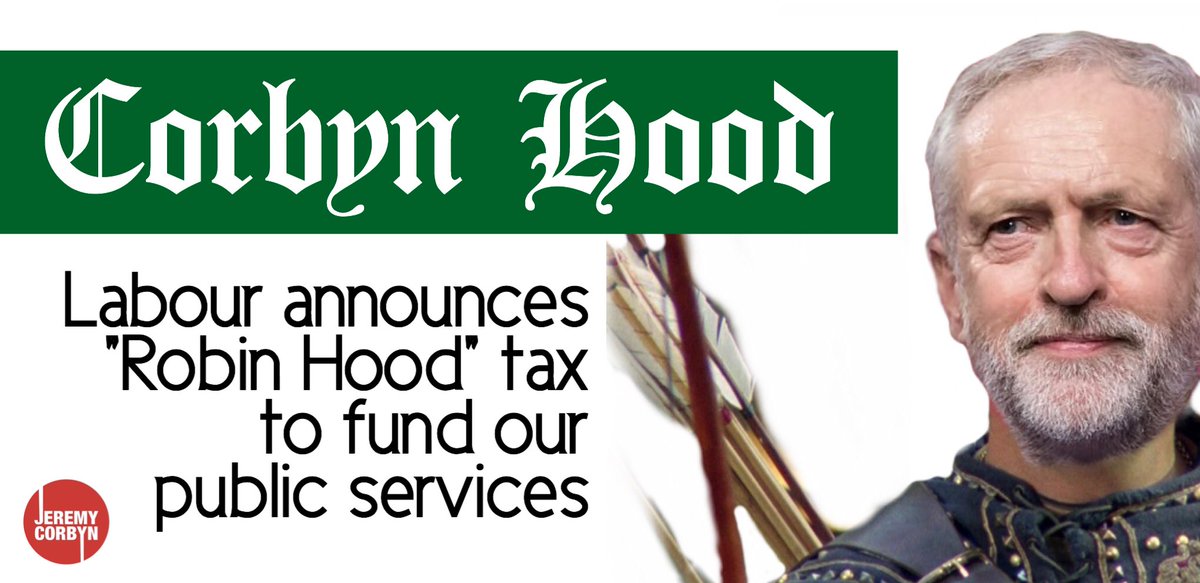
“We bailed out the City 10 years ago when the crash came, we poured hundreds of billions of pounds into it. Since then £100bn has been given out in bonuses in the City. So we are asking for a small contribution…to fund our public services.” – John McDonnell MP

Image result for "corbyn hood" tax

Last night, Labour announced one of their keynote policies ahead of the 2017 General Election. A financial transaction tax on the City of London. Time for a blog to outline just what in the name of Jim it actually is and what it’s supposed to do.

Continue reading

Council17 – The Aftermath

That’s the council elections done then.

telegraphce-768x422

Well, that’s the voting done. The “fun” bit is going to happen over the next few days as the negotiations work out. Not one of the 32 councils in Scotland have a majority control with major Labour fiefdoms like Glasgow and North and South Lanarkshire all falling to that party’s continuing collapse. Not safe, though, were SNP councils like Dundee which has also slipped out of majority control. The rise of the Conservative and Unionists (who have been benefiting from the second half of their name even in spite of the first) has been remarkable even if all they’ve been doing is cannibalising the other Unionist parties rather than making any substantial gains on the other side of the constitutional divide.

The Greens had a good time of the elections, increasing their seats from 14 to 19. Incidentally, we’re now the largest party on Orkney Council (albeit because all the other councilors are independents). My own branch of South Lanarkshire failed to get any candidates elected although I have to give my personal thanks to the 139 people who placed their trust in me with their 1st preference votes. It was a great experience being a candidate. Who knows. It may not be my last time.

candidate Craig.jpg

As it stands now, South Lanarkshire will be represented by 27 SNP councilors, 21 Labour, 14 Conservatives, 1 Lib Dem and 1 Independent. With 33 required for a majority there will now be a weekend of intense negotiations over who goes where. Whilst they’ve lost their control, Labour will now be the kingmakers here. It will be their choice whether they side with a party with whom they share many or most of their values when it comes to local issues or whether they’ll side with a party with whom they share precisely one value over which their councilors will have precisely zero ability to effect.

This will be the story going on in many more councils across Scotland and I cannot predict how they’ll turn out, only that if Labour does decide to ally itself with the Tories one more time for one more stint at short term gain then their final death as a party is inevitable. They will have thrown away their last reason to exist in Scottish politics. And they wouldn’t be missed by many, not even their “allies”, once that happens.
Glasgow will be an interesting story in this regard. With the tally there being 39 SNP, 31 Labour, 8 Conservative and 7 Greens and with 43 needed for a majority there is no possibility of a Labour/Tory Alliance conspiring to keep control of this city. Instead it seems inevitable that the SNP will be the part of control here, it just remains to be seen if they’ll form a formal or informal coalition with Labour or with the Greens to get there. Obviously I’d certainly be hoping for the latter but, as with all in politics, I guess it’ll depend on the price asked by all sides involved. No matter what, Glasgow is ripe for exciting possibilities for change. Too many areas of the city have been neglected for too long and there are great opportunities and assets there just waiting for someone to have the courage to take on the challenge of exploring them. I’d personally like to see something like the Community Buyout scheme recently promoted by Common Weal given a shot. You can read about that here.

Continue reading

The Confidence Trick

“Oh Mr. Blue Sky please tell us why
You had to hide away for so long (so long)
Where did we go wrong?” – ELO – Mr. Blue Sky

So the PM deigned Scotland with her presence today. A full media fanfare edition of her “Strong and Stable Tour” ahead of her snap General Election in June.

I noted especially Sky News’ coverage in the morning which described May’s evident “confidence” in feeling able to come to Scotland given our country’s typical attitude towards the Conservatives.

So how did Confident May present herself to the voters of Scotland?

Continue reading

The Bridge

“Politics is a life we choose because we think we can do some good” – Kezia Dugdale, 25th April 2017

Today the Scottish Parliament debated the cuts to Child Tax Credits being imposed by Westminster. This necessarily centered much of the debate around certain exceptions to those cuts, in particular the so-called Rape Clause. This article isn’t about that Clause in particular. That must be for others. If you want, you can watch the entire debate below

Instead I want to particularly highlight Labour leader Kezia Dugdale’s speech (from 26:20 above or here). Please watch it in the context of that debate before continuing.

Continue reading

Now IS The Time

PM Theresa May has called for a UK General Election to be held on June 8th. Because the UK is completely united behind her vision of Brexit and now is not the time for divisive politics..or something.

This election does have to get over the stumbling block of the Fixed Term Parliaments Act which requires a 2/3rds majority in the Commons to overrule but Labour have already announced their support for that move. It must be hard for them. If they do it, they’ll get a drubbing. If they don’t, they’ll be crucified in the press.
Whilst I don’t think the Tories will find the prospect of kicking Labour whilst they are down to be an unwelcome one, I still don’t think that this is the primary motivation for this call. There’s little the Tories can’t do with a majority of a dozen or so that they could do with a majority of 50+.

I don’t think this is about Labour. This is a Brexit call. May will be wanting to legitimise the hardest-of-Brexits she’s angling for but which wasn’t in the last manifesto. She’ll also be wanting to harden the party behind that vision. I’d be watching the selection process very carefully to see how many of those back-bencher Remainer Tories get quietly (or not so quietly) purged from the ranks or at least get made to submit to the party will.

With regard to Scotland, this is a gamble which only makes sense if May isn’t considering Scotland at all. All it is going to take is the pro-independence parties (especially the one which holds all of the pro-indy seats at the moment) to put up their 2015 manifesto as read and state that this General Election is about the choice between the hardest of Tory Brexits and Independence. Once they return a majority (I wonder how David Mundell is feeling right now) then no-one can deny that mandate for a referendum without ridicule.

SNP support probably isn’t as strong as it was in the wake of the Surge inflated 2015 election but FPTP will still work in its favour. The chances of returning a majority of seats by themselves is still substantial.

And then there’s Northern Ireland which is still without an Assembly. Yes, in normal times the General Election dynamics are somewhat different but between the prospect of Brexit and Direct Rule these are far from normal times. I won’t even pretend to try to predict what will happen there.

So what’s the “best case” scenario for May? A quelled party, a silenced opposition and “the regions” don’t make too much of a racket as they follow the UK into the hardest of Tory Brexits and all the cuts, Austerity and pain that will bring. Tory rule will dominate for a decade or more.

Her “worst” case? She loses her majority and the mandate for Brexit. Government crumbles, resignations happen and all the while Article 50 – which was triggered by a “united” Britain less than a month ago keeps on ticking down towards May 2019…

Interesting times.

tcg-logo-7